

Buy Aciclovir Online: Best Prices and Fast Shipping
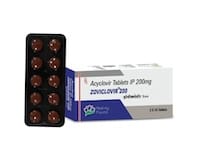
Buy Aciclovir Online: Best Prices and Fast Shipping
Practical Dosage and Administration Protocols
Managing HSV Outbreaks and Shingles Cycles
When a cold sore begins to peek through the skin, timing is everything. For a standard Herpes Simplex Virus (HSV) outbreak, doctors often prescribe 200 mg taken five times daily. It is a bit of a juggling act, requiring a dose every four hours while awake to keep the viral load in check.
For those facing the fire of a Shingles outbreak, the approach shifts significantly. Varicella-Zoster requires a heavier strategy to prevent long-term nerve pain. Usually, this involves 800 mg taken five times a day for five to seven days. It is not a walk in the park, but consistency is your best friend here.
Think of your medication like a shield. If you let it drop, the virus finds a way to strike back. For genital herpes, suppressive therapy might involve 400 mg once daily. This isn’t about treating an active fight, but rather fortifying your defenses to prevent the battle from ever starting in the first place.
Patients often ask if they can skip a day if they feel fine. The short answer is a resounding no. If you are mid-cycle with Shingles, stopping early is like leaving a door unlocked in a storm. You must complete the full course to ensure the virus doesn’t find a foothold to linger in your system.
Topical vs. Oral Efficacy
Choosing between a cream and a pill is like choosing between a bandage and a vaccine. Topical aciclovir creams are great for a quick fix on a surface-level sore. They can take the sting out of a localized spot, making the physical discomfort much more bearable during a busy workday.
However, when it comes to raw power, oral administration is the heavyweight champion. Pills enter your bloodstream and travel where the virus hides, unlike creams that merely sit on the surface. If you want to reduce the duration of a flare-up, going oral is usually the smarter play in the long run.
Timing also plays a massive role in how you perceive the treatment. Applying a topical cream at the very first tingle—before a blister even forms—can be a game changer. If you wait until the skin is broken, you are essentially playing catch-up with a very fast opponent.
Some people find the cost of oral tablets versus creams to be a deciding factor. While a tube of cream might cost around $15, a full course of prescription tablets can run higher depending on your insurance. Ultimately, the choice depends on whether you need a localized patch or a systemic defense.
Hydration and Renal Safety
Aciclovir is processed through your kidneys, which means you need to keep your internal plumbing running smoothly. If you are dehydrated, the medication can crystallize in the urine. This is serious business and can lead to significant kidney strain if you are not careful.
Think of your body like a river; it needs a steady flow to carry away waste. Drinking plenty of water is not just a suggestion; it is a vital part of the protocol. If you feel parched or notice darker urine, you might be running low on the fluids required for safe processing.
For patients with existing kidney issues, the dosage may need a significant haircut. Doctors often adjust the frequency or the amount based on your creatinine levels. Never try to play doctor with your own dosage, especially if your renal function is already a bit shaky or compromised.
A simple way to track your status is to monitor your intake. If you are taking high doses for Shingles, aim for a steady stream of water throughout the day. It might seem like a small thing, but staying hydrated is the cheapest insurance policy against medication-induced kidney stress.
Navigating Missed Doses
Life happens, and sometimes a dose slips through the cracks. If you miss a dose, the general rule is to take it as soon as you remember. However, if it is almost time for your next scheduled dose, just skip the missed one entirely. Do not double up.
Trying to “make up” for lost time by taking two doses at once is a recipe for trouble. This can lead to unnecessary side effects or stomach upset. It is much better to simply get back on track with your regular schedule and keep moving forward steadily.
Maintaining a rhythm is much easier if you use a pillbox or a phone alarm. When you are dealing with five doses a day, it is easy to lose count. A simple habit can prevent the anxiety of wondering, “Did I take that 4:00 PM dose or not?”
If you find yourself missing doses frequently, it might be worth discussing a different dosing schedule with your provider. Sometimes, a different frequency or a different medication altogether might fit your lifestyle better. The goal is to keep that protective shield up without constant stress.
| Condition | Typical Oral Dosage | Frequency |
| HSV (Outbreak) | 200 mg | 5 times daily |
| Shingles (ZV) | 800 mg | 5 times daily |
| HSV (Suppression) | 400 mg | Once daily |
Current Market Pricing and Cost Variables
Generic vs. Brand Name Economics
When you walk into a pharmacy, the price tag can feel like a punch to the gut. However, there is a massive difference between the “name brand” versions and the generic alternatives. Generics are the unsung heroes of the pharmacy aisle, offering the same active ingredient without the fancy packaging or the premium marketing costs.
For most patients, opting for generic Aciclovir is a total no-brainer. You might find the retail price for a standard generic bottle ranging anywhere from $10 to $40 depending on your location and pharmacy chain. It is often the most efficient way to manage your budget without sacrificing any actual medicinal efficacy or quality.
On the other hand, brand-name formulations can be quite a steep climb. These often come with a significant markup that can drive the cost several times higher than the generic equivalent. Unless your doctor has specifically requested a certain brand for a medical reason, sticking to the generic route will keep your wallet much heavier.
It is important to remember that “cheap” does not mean “low quality.” The FDA and other regulatory bodies ensure that generics perform exactly like their expensive counterparts. You are essentially paying for the same science, just without the glossy box and the high-priced brand recognition that many people mistakenly chase.
Dosage Strength and Quantity Factors
The math behind your prescription can get a bit tricky once you start looking at milligrams. A 200mg tablet might seem like a bargain, but if you need to take it five times a day, the quantity adds up fast. You have to look at the total milligrams per pill to find the true value.
Often, 400mg tablets are the “sweet spot” for many people, especially those using them for daily suppression therapy. While a single 400mg pill might cost a few cents more than a 200mg one, you are actually saving money by taking fewer pills overall. It is a classic case of looking at the big picture rather than just the unit price.
Pharmacy pricing models often change based on how many pills come in a bottle. If you are buying a small 10-day supply, you will likely pay a higher premium per pill. It is much like buying milk; the large carton is almost always a better deal than those tiny individual portions.
If you are managing a long-term condition, you should always ask your pharmacist about bulk purchasing. Many providers offer significant discounts if you opt for a 90-day supply instead of a 30-day one. This can shave a significant chunk off your monthly healthcare expenses over the course of a year.
Below is a breakdown of how different quantities and strengths can impact your immediate out-of-pocket costs:
| Product Configuration | Estimated Retail Price | Best For |
|---|---|---|
| Generic 200mg (30 Tablets) | $12 | Short-term outbreaks |
| Generic 400mg (90 Tablets) | $28 | Daily suppression |
| Generic 800mg (30 Tablets) | $35 | Acute Shingles treatment |
| Topical Cream (30g Tube) | $18 | Localized surface relief |
Long-Term Maintenance Savings
For those who deal with frequent flare-ups, the “pay as you go” method can become a financial drain. Constantly running to the pharmacy every month can feel like a slow leak in your bank account. Instead, look into long-term maintenance plans or mail-order pharmacy services.
Mail-order services often provide a “subscription” style model that is much easier on the pocketbook. They frequently bundle multiple months of medication into one shipment, which drastically reduces the per-pill cost. It is a much more streamlined way to ensure you never run out of your protective shield.
I remember a patient who spent a fortune on individual prescriptions every month. Once they switched to a 90-day generic supply through their insurance’s mail-order program, their costs dropped by nearly half. It was a simple change that removed a huge amount of stress from their monthly budget.
Always check with your insurance provider before making the switch to a bulk plan. Some plans have specific rules about which pharmacies you can use to get the best rate. Being a bit of a detective now can save you hundreds of dollars over the next few years.
Acquisition Channels and Purchasing Logistics
Navigating the Digital Pharmacy Landscape
Stepping into the digital marketplace can feel like walking through a minefield. You might encounter websites that look incredibly professional, boasting sleek designs and suspiciously low prices. However, a polished interface does not always guarantee a legitimate business. You must look for a “Verified Pharmacy” seal or a digital license from regulatory bodies like the NABP to ensure safety.
I once met a traveler who ordered a bulk supply from a site that looked like a dream. It arrived, but the pills were nothing more than chalky, useless discs. Always cross-reference the URL. If the web address looks slightly “off” or contains strange characters, trust your gut and run. It is better to pay a bit more for peace of mind.
Legitimacy also extends to how they handle your personal data. A reputable online provider will have clear privacy policies and secure, encrypted payment gateways. If a site asks for your credit card number through an unencrypted chat window or an insecure pop-up, close the tab immediately. Your medical privacy is just as important as the medicine itself.
Before you click that “buy” button, do a little digging. Search for the pharmacy name alongside terms like “scam” or “reviews.” Real users often leave breadcrumbs that can save you from a massive headache. It is a small price to pay in time to avoid being burned by a fly-by-night operation.
Shipping, Timelines, and Global Transit
When you order medication, the clock starts ticking. Domestic shipping is usually a breeze, often arriving within three to five business days. However, international delivery is a different beast entirely. You might find yourself waiting weeks for a package to clear customs, and who knows what happens to the contents in transit.
Customs officials can be quite the gatekeepers. Depending on your country, they might hold a package for inspection or simply toss it if the paperwork isn’t perfect. If you are ordering from abroad, always ensure the pharmacy provides a detailed packing list that matches your prescription. This prevents unnecessary delays and potential seizures at the border.
Consider the logistics of your specific situation. If you are traveling, never rely on a single shipment arriving right as you board a plane. Always build in a “buffer zone.” If your medication is vital for a flare-up, having a backup supply already in your suitcase is a lifesaver that prevents a medical crisis in a foreign land.
Tracking numbers are your best friend in this process. Never settle for a “standard shipping” option that doesn’t provide real-time updates. Knowing exactly where your package is can alleviate the anxiety of waiting for such a critical component of your health regimen to arrive.
Storage Standards and Counterfeit Detection
Medication is a delicate science, not a rugged piece of hardware. Aciclovir needs to stay in a cool, dry place to maintain its chemical integrity. If a package arrives looking crushed, melted, or damp, do not take a single pill from it. Heat is the enemy of efficacy, and improper storage can render your treatment useless.
How can you spot a counterfeit? It is often a game of sensory details. Look for pills that have an unusual smell, a different texture, or even a different color than your previous batches. If the imprint on the tablet is blurry or the packaging looks like a cheap photocopy, you might be holding a dud. It is a high-stakes game.
Common signs of fraudulent products include:
- Packaging that lacks a clear expiration date or batch number.
- Prices that are significantly lower than the market average, such as $5 for a full month.
- Labels with obvious spelling errors or unprofessional fonts.
- Lack of a physical address or working customer service phone number.
If you suspect a product is fake, contact your local regulatory agency immediately. Reporting these bad actors helps protect others from falling into the same trap. It is a bit of a chore, but it serves the greater good of public health and safety.
Legal Realities and Prescription Mandates
The law is not a suggestion; it is a strict boundary. In many regions, such as the United States and much of Europe, Aciclovir is classified as a prescription-only medication. Attempting to bypass this by buying from “no-prescription” sites can lead to legal trouble or, more likely, receiving dangerous, unregulated substances.
Always verify the legal status of the drug in your specific jurisdiction. Some countries allow certain strengths over the counter, while others are incredibly strict. Navigating these waters without a valid script is like trying to sail through a storm without a compass. You might find yourself in a very difficult position with customs.
A valid prescription acts as your legal shield. It proves that a medical professional has assessed your needs and determined that the medication is safe for you. This documentation is essential when shipping internationally. Without it, your shipment is essentially “contraband” in the eyes of many border agents, regardless of your intentions.
If you are unsure about the rules, a quick call to your local pharmacist can clear things up. They are the experts on what can be legally moved across borders and what requires specific documentation. It is much better to ask a professional now than to explain yourself to a customs officer later.
Therapeutic Scenarios and Clinical Applications
When a cold sore begins to tingle on your lip, time is of the essence. That localized itching is often the first warning sign that the virus is waking up from its slumber. Acting quickly with Aciclovir can stop the lesion before it becomes a painful, unsightly blister that ruins your confidence.
For many, the goal is to minimize the “crusting” phase. Applying the medication at the very first sign of redness can significantly shorten the duration of the outbreak. It is like putting out a small spark before it turns into a full-blown forest fire; the sooner you react, the less damage is done.
If you wait until the blister has actually popped, you might find the medication less effective at preventing the spread. While it won’t make the sore vanish instantly, it certainly takes the sting out of the situation. Think of it as a tactical strike against a very persistent, tiny enemy.
Treatment protocols vary depending on the severity of the breakout. For most healthy adults, a simple topical application is the standard approach. However, if you find yourself fighting these lip lesions multiple times a year, your doctor might suggest a more aggressive oral regimen to keep the virus in check.
Prophylaxis is a different beast entirely, especially for those with compromised immune systems. For patients undergoing chemotherapy or living with HIV, the virus can run rampant without a leash. In these high-stakes scenarios, Aciclovir is often used as a constant shield to prevent secondary infections.
This suppressive therapy is not about treating a current sore, but rather preventing the next one from ever appearing. It is a marathon, not a sprint. Staying consistent with the daily dosage ensures that the viral load remains low enough to avoid triggering a symptomatic flare-up.
Medical professionals must carefully monitor these patients for potential side effects. While the drug is generally well-tolerated, the long-term nature of preventative dosing requires regular check-ins. It is a delicate balancing act between keeping the virus at bay and ensuring the kidneys are functioning perfectly.
For those dealing with genital herpes, the clinical approach shifts toward managing outbreaks and reducing transmission risk. An active outbreak can be incredibly stressful, both physically and emotionally. A well-timed dose of oral Aciclovir can significantly reduce the pain and the duration of the sores.
Beyond just managing the immediate pain, doctors often discuss “episodic” vs. “suppressive” therapy. Episodic treatment is used only when you feel a flare-up coming on. Suppressive therapy, on the other hand, is a daily commitment for those who experience frequent or particularly severe outbreaks.
The choice often depends on how many outbreaks you have per year. If you are facing constant disruptions to your life or your intimate relationships, the daily pill becomes a vital tool. It acts as a safety net, providing peace of mind that the virus is being kept under a tight lid.
Deciding between a cream and an oral pill is a common dilemma for many patients. If the issue is strictly localized on the surface of the skin, a cream can provide targeted relief. It is a quick, easy way to apply medication directly to the “hot zone” without systemic effects.
However, oral medication is often the heavy hitter in clinical settings. Because it travels through your bloodstream, it reaches the site of infection from the inside out. This makes it much more effective for widespread outbreaks or when you want to ensure the virus is suppressed systemically.
Consider the following comparison to help decide which might be better for your specific situation:
| Feature | Topical Cream | Oral Medication |
| Primary Use | Localized surface lesions | Systemic viral suppression |
| Speed of Action | Immediate local contact | Requires metabolic processing |
| Convenience | Easy to apply anywhere | Requires swallowing a pill |
Timing is everything when it comes to seeing real results. When you first start taking Aciclovir, you might not feel a massive difference in the first few hours. The medication works by interfering with the virus’s ability to replicate, a process that takes a little time to manifest.
Typically, you can expect the intense tingling and burning to subside within 24 to 48 hours of starting treatment. The physical lesions themselves usually heal within a week, provided you don’t pick at them. It is a slow dance of healing that requires patience and discipline.
If you are using it for suppression, the benefits are measured in months, not days. The goal is a significant reduction in the frequency of outbreaks. While it may not eliminate the virus entirely, it can turn a chaotic series of flares into a manageable, quiet background noise.
Comparative Analysis of Anti-Viral Options
Choosing between Aciclovir and Valacyclovir is like picking between a sturdy old hammer and a high-tech power tool. Both get the job done, but the experience of using them is worlds apart. Valacyclovir is essentially a pro-drug, meaning it is much more efficient at making its way into your system through the gut.
Because it absorbs so much better, patients often find Valacyclovir much more “user-friendly.” You don’t have to deal with the constant pill-popping that comes with standard Aciclovir. It is a game-changer for busy people who find it nearly impossible to remember a complex dosing schedule during a hectic workday.
However, this convenience comes with a higher price tag at the pharmacy counter. While Aciclovir is the reliable workhorse that keeps costs low, Valacyclovir is the premium option. It is a classic case of paying for convenience versus sticking to the most economical, time-tested method of treatment.
The absorption rates play a massive role in how the medication behaves inside the body. Aciclovir has a relatively low bioavailability, which is a fancy way of saying your body doesn’t soak it all up on the first pass. This is why the dosing frequency for Aciclovir is often much more demanding.
When we look at the price-to-efficacy ratio, the math changes depending on who is taking the pill. For a teenager on a tight budget, a $15 bottle of Aciclovir is a lifesaver. For an elderly patient with multiple health issues, the simplicity of a single dose might be worth the extra cost.
Demographics play a huge part in these clinical decisions. A high-income professional might prefer the ease of Valacyclovir to avoid any interruption in their workflow. Conversely, a patient managing chronic conditions on a fixed income will likely find the most value in the lower-cost Aciclovir regimen.
It is a balancing act of economics and lifestyle. One size certainly does not fit all when we talk about managing viral loads. You have to weigh the immediate cost in $ against the long-term benefits of how the medication fits into your daily rhythm.
Side effects can vary wildly depending on the “family” of anti-viral you are using. Aciclovir is generally a gentle traveler through the system, but it can sometimes cause a bit of stomach upset or a bit of nausea. It’s like a mild breeze compared to the storm of other drugs.
Other anti-viral families might bring more heavy-duty side effects to the table. Some can cause significant kidney strain or even neurological issues if not monitored closely. It is vital to remember that every medication is a double-edged sword that requires careful, watchful supervision by a doctor.
Patients often report different experiences with different classes of drugs. Some might feel a sense of lethargy, while others might deal with headaches or tremors. Understanding these profiles helps in tailoring a treatment plan that doesn’t just fight the virus but also respects your overall well-being.
The frequency of dosing is perhaps the most significant lifestyle factor. Aciclovir often requires a “multiple-dose” regimen, meaning you might be swallowing pills five times a day during an active outbreak. This can feel like a full-time job if you aren’t prepared for it.
On the other hand, Valacyclovir is often a “once-daily” or “twice-daily” affair. This shift from multiple doses to a single daily pill is a massive psychological win for many. It removes the mental burden of constant reminders and helps maintain much higher levels of compliance.
If you miss a dose of a multiple-dose regimen, you might feel the virus starting to stir again. This is why the simplicity of once-daily dosing is such a powerful tool in modern medicine. It turns a complicated chore into a simple, manageable part of your morning routine.
Long-term cost implications are where the real money is made or saved. A brand-name medication might seem affordable today, but if you have to take it every single day for five years, those costs add up fast. It can become a significant drain on your monthly budget.
Generic versions of Aciclovir are incredibly cost-effective for long-term suppressive therapy. Many patients find that switching from a brand-name option to a generic can save them hundreds of $ over a few years. It is a smart move for anyone looking to manage their health sustainably.
We must also consider the cost of “failed” treatments. If a cheaper drug isn’t effective enough and leads to more frequent outbreaks, the indirect costs—like missed work or extra doctor visits—can skyrocket. Sometimes, paying a little more upfront is actually the cheaper path in the long run.
| Medication Type | Typical Dosing | Relative Cost ($) | Convenience Level |
| Aciclovir (Generic) | Multiple times daily | $ (Low) | Moderate |
| Valacyclovir | Once or twice daily | $$$ (High) | High |
Safety Profiles and Potential Interactions
Navigating the side effects of any medication can feel like walking through a thick fog. While Aciclovir is generally considered a “friendly” passenger in the bloodstream, it isn’t entirely without its quirks. Most people find that the experience is quite mild, but you shouldn’t ignore the subtle signals your body sends your way.
The most common complaints often involve the digestive tract. A bit of nausea or a churning stomach can pop up, making mealtime a bit of a gamble. Some patients also report feeling slightly dizzy or experiencing a mild headache. It is like a minor hiccup in a long conversation; usually, it passes without much drama.
If you start feeling like you’re on a merry-go-round, don’t panic immediately. Often, staying well-hydrated can smooth out these bumps in the road. However, if the dizziness becomes a heavy fog that won’t lift, it is time to pick up the phone and call your healthcare provider for a quick chat.
Navigating Drug Interactions and Body Chemistry
Medicine doesn’t exist in a vacuum; it’s more like a crowded cocktail party where everyone is bumping into each other. When you take Aciclovir alongside other drugs, the chemistry can get a little messy. Certain medications can change how your body processes the antiviral, potentially increasing its concentration in your system.
Watch out specifically for diuretics or medications that affect how your kidneys filter waste. If you are already taking drugs like probenecid, the levels of Aciclovir in your blood might spike. This is because these drugs can “clog the pipes,” preventing the kidneys from clearing the medication as quickly as they normally would.
It is vital to be an open book with your doctor. Mention every single supplement, herbal tea, or over-the-counter pill you use. Even something as simple as an NSAID can sometimes play a role in how your body handles the dose. Transparency is your best defense against unexpected chemical collisions.
When it comes to pregnancy and nursing, the landscape becomes much more delicate. Doctors often treat these situations with a “wait and see” approach, weighing the necessity of treatment against potential risks. It is a tightrope walk where the goal is to protect both the mother and the little one.
For breastfeeding mothers, the question is whether the medication passes through the milk in significant amounts. While the risk is often considered low, nothing is worth a gamble when a baby is involved. Always consult your specialist to ensure the benefits of treating the virus outweigh any theoretical risks to the infant.
Monitoring and Topical Care
If you are on a long-term regimen, your kidneys need a bit of extra love. Think of your kidneys as the filtration system of a house; if the filters get clogged, the whole system suffers. Extended use of Aciclovir requires a watchful eye on your renal function to ensure everything is flowing smoothly.
Your doctor might order regular blood tests to check your creatinine levels. It might seem like an extra chore, but it is a small price to pay for peace of mind. Staying hydrated is your best friend here; drinking plenty of water helps keep those “filters” running at peak performance.
Then there is the topical side of things. If you are using Aciclovir creams to treat a skin outbreak, you might notice some redness or itching at the application site. It can feel like a stinging sensation, much like a mild sunburn that refuses to fade away.
To manage this, try to keep the area clean and avoid rubbing the ointment too vigorously. If the skin becomes extremely irritated or looks like it’s getting worse, stop using the cream and check in with your physician. Sometimes, a little bit of patience and gentle application is all you need.
| Side Effect Type | Common Symptom | Management Tip |
| Digestive | Nausea/Upset Stomach | Take with food or stay hydrated |
| Neurological | Dizziness/Headache | Rest and monitor severity |
| Topical | Skin Irritation | Apply gently; avoid rubbing |