

Buy Tretinoin Cream Online at the Best Prices
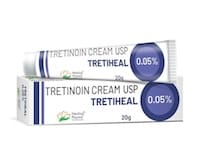
Buy Tretinoin Cream Online at the Best Prices
Mastering the Application Protocol
Think of your skin like a high-performance engine that needs a gentle tune-up rather than a sledgehammer blow. Tretinoin is a powerhouse, but if you treat it like a casual moisturizer, your face will pay the price in redness. You must approach the application process with the precision of a chemist to see real results.
The golden rule of thumb is “less is more,” a phrase that sounds cliché until you’re staring at a peeling chin. You only need a pea-sized amount for the entire face. Spreading a larger glob won’t speed up the transformation; it will only invite irritation and a burning sensation that lingers for hours.
Timing is everything when you’re working with such a potent ingredient. Always apply your cream at night because sunlight can degrade the stability of the formula. If you apply it during the day, you’re essentially throwing your money down the drain. It’s a night-shift worker that does its best work while you dream.
Consistency is the secret sauce that separates the enthusiasts from the experts. Don’t expect a miracle overnight; skin cells take time to turn over. It’s a marathon, not a sprint, and skipping nights might actually make the transition harder for your moisture barrier to handle.
The Step-by-Step Ritual
Start with a gentle, non-stripping cleanser to remove the day’s grime. Avoid anything with exfoliating acids or physical scrubs during this phase. You want a clean, blank canvas that hasn’t been roughed up by harsh textures. Pat your skin dry with a soft towel; never rub.
If you have sensitive skin, the “sandwich method” is your best friend. Apply a light layer of moisturizer first, wait ten minutes for it to soak in, and then apply your Tretinoin. This creates a buffer that mitigates dryness without neutralizing the active ingredient’s effectiveness.
Once the cream is applied, wait a bit before adding any other heavy serums. Let the skin drink it in. If you rush the process by layering too many products too quickly, you might end up with a “pilling” effect where the product rolls off in little balls.
Check your routine for any hidden culprits. Many people accidentally sabotage their progress by using a Vitamin C serum or a glycolic acid toner at the same time. These are like adding fuel to a fire. Keep your actives separate to keep your complexion calm and steady.
- Cleanse with a mild, pH-balanced cleanser.
- Wait 15–20 minutes until skin is completely dry.
- Apply a pea-sized amount to the forehead, cheeks, and chin.
- Avoid the delicate skin around the eyes and nostrils.
- Follow with a ceramide-rich moisturizer.
Frequency and Adjustments
When you first start, you shouldn’t dive into the deep end. Start by applying the cream just twice a week. This acclimatization phase allows your skin to get used to the sudden increase in cell turnover. It’s like dipping your toes into a cold pool before jumping in.
As your skin builds tolerance, you can gradually increase the frequency to every other night. If your skin isn’t flaking or stinging, you might move to nightly use. Listen to your face; it will tell you when it’s overwhelmed. If it feels tight, take a break.
Watch out for the “purging” phase. You might see a temporary uptick in breakouts as the old skin is pushed to the surface. It’s a bit of a bumpy road, but it’s a sign that the medicine is working. Stay the course unless the irritation becomes unbearable.
Keep an eye on your budget when scaling up your skincare. While a standard prescription tube might cost around $30, high-end fortified recovery creams can run up to $75. Investing in a good barrier cream is just as important as the Tretinoin itself.
| Phase | Frequency | Primary Goal |
| Introduction | 2x per week | Build Tolerance |
| Intermediate | Every other night | Minimize Peeling |
| Maintenance | Every night | Maximum Efficacy |
Navigating Tretinoin Concentrations and Formulations
Walking into a pharmacy or browsing a dermatologist’s website can feel like trying to decipher an ancient, cryptic language. You aren’t just looking for a cream; you are looking for a specific chemical potency that matches your skin’s current resilience. Picking the wrong strength is like trying to drive a race car in a school zone—either too slow to see results or too fast for your skin to handle.
The strength of your prescription is usually measured in percentages, typically ranging from 0.025% to 0.1%. For most beginners, 0.025% is the gentle introduction they need to avoid a full-blown skin meltdown. It’s the training wheels of the retinoid world, helping your complexion adapt without turning your face into a desert of peeling flakes.
If you find that 0.025% feels like a mere whisper against your skin, your doctor might suggest stepping up to 0.05%. This is often the sweet spot for many users, offering a significant boost in collagen production and acne control. However, jumping straight to 0.1% is a bold move that often leads to a very unhappy, red, and irritated complexion.
Beyond just the percentage, the vehicle matters immensely. You will encounter creams, gels, and lotions. Creams are generally more moisturizing and forgiving, making them the gold standard for those with dry or sensitive skin. Gels, on the other hand, are lightweight and absorb quickly, which is a dream for oily skin but can feel quite drying.
Choosing Your Vehicle and Potency
Texture plays a massive role in how your skin absorbs the active ingredient. A cream might feel like a soothing balm, helping to offset the inherent dryness caused by the medication. It acts as a protective buffer, ensuring the tretinoin doesn’t sink in too aggressively and cause immediate irritation.
Gels are often the preferred choice for those struggling with persistent acne and excessive oil. They tend to be less greasy and can help keep the pores clear without adding extra lipids to your skin. However, if you have a tendency toward redness, a gel might feel like a harsh, stinging sensation upon application.
Then there are the micro-encapsulated formulas. These are the high-tech wonders of the modern skincare lab. Instead of a direct blast of medicine, the tretinoin is delivered in tiny spheres that release the ingredient slowly over time. This slow-release method is a game-changer for maintaining steady results while minimizing side effects.
Deciding on your formulation is a deeply personal journey that depends on your skin’s unique personality. You might start with a cream to build up your tolerance, then transition to a gel once your skin is seasoned. It’s not a one-size-fits-all situation; it is a customized approach to skin health.
When evaluating your options, you should consider the following price points for various prescription strengths and delivery methods:
| Formulation Type | Strength | Estimated Cost |
| Gentle Cream | 0.025% | $35 |
| Standard Gel | 0.05% | $45 |
| Potent Cream | 0.1% | $55 |
| Micro-encapsulated | 0.05% | $70 |
Cost Analysis and Market Pricing in USD
Trying to pin down a single price for Tretinoin is like trying to catch a cloud. Costs can swing wildly depending on whether you are shopping at a high-end boutique clinic or using a budget-friendly mail-order pharmacy. You have to weigh the convenience of a prescription against the raw cost of the tube itself.
For many, the sticker shock comes from the hidden extras. It isn’t just the cream; it is the ritual of support. You might spend $20 on a basic cleanser, but if your skin decides to rebel, you’ll quickly find yourself reaching for that $60 soothing serum to calm the storm.
Budgeting for this journey requires a bit of foresight. If you treat it as a one-time purchase, you might be disappointed. Think of it as a monthly subscription to your skin’s health. Once you find the rhythm that works, you’ll need to account for consistent, recurring expenses every single month.
Comparing Retail vs. Prescription Paths
The landscape of availability has changed dramatically. In the past, you had to jump through many hoops to get a script. Today, many online platforms offer streamlined telehealth visits that can cost anywhere from $40 to $100 just for the consultation itself before you even buy the product.
Some users opt for compounded versions, which are custom-made in a lab. These can be quite a splurge, often starting at $120 for a small amount. While they offer a bespoke experience, they aren’t always the most economical choice for those on a tight monthly budget.
On the flip side, generic prescriptions from traditional pharmacies are often the most wallet-friendly route. You might find a standard 0.05% cream for as low as $25 if you have good insurance coverage. It’s a classic case of “you get what you pay for,” so quality matters.
Ultimately, your choice depends on your tolerance for complexity and your financial comfort zone. Some people prefer the simplicity of a $30 bottle from a local chemist, while others find the $90 specialized delivery systems well worth the extra investment to avoid the dreaded “retinoid uglies.”
Consider these common price breakdowns when planning your skincare budget:
- Basic Generic Cream: $25 – $40
- Specialized Gel Formulas: $45 – $65
- Compounded Custom Mixtures: $80 – $150
- Telehealth Consultation Fees: $40 – $120
Sourcing and Reliable Procurement Strategies
Navigating the Digital Marketplace
The internet is a vast ocean of promises, some of which are gold and others are merely sinking ships. When searching for your prescription, it is easy to fall down a rabbit hole of suspicious websites. You might see ads promising “instant approval” without a doctor, but these are often nothing more than digital mirages.
It is vital to stick to the beaten path when it comes to your health. Always verify that a platform is legitimate by checking for official pharmacy credentials and real patient reviews. If a deal looks too good to be true, it usually is. A $15 tube of unverified cream might end up costing you much more in skin damage.
Telehealth has truly changed how we access dermatological care. It is like having a doctor in your pocket, allowing you to skip the crowded waiting room. However, ensure the service provides a valid, verifiable prescription that your local pharmacy can actually honor. This prevents the headache of a rejected script at the counter.
I remember a friend who tried to save a few bucks by ordering from a random overseas site. He thought he was being clever, but he ended up with a substance that was nothing like tretinoin. It was a costly mistake that left his skin in a state of total chaos for months.
Verifying Product Authenticity
Once you have found a reputable source, the next hurdle is ensuring the product is the real deal. Authentic tretinoin should come in its original, undamaged packaging. If the seal looks tampered with or the box is crushed, treat it like a ticking time bomb. You don’t want an unknown chemical entering your pores.
Always check the expiration date before you even think about applying the first pea-sized amount. Skincare ingredients are like fresh produce; they lose their potency and effectiveness over time. Using an expired tube is essentially throwing your hard-earned money down the drain, as the active ingredient will have long since vanished.
Batch numbers are your best friends in the world of procurement. If you ever encounter an adverse reaction, having that number allows you to trace the specific production run. It is a small detail that provides a massive safety net if things go sideways during your nightly skincare ritual.
When sourcing, keep these quality markers in mind:
- Manufacturer Seals: Look for intact, unbroken plastic wraps.
- Packaging Integrity: Avoid dented tubes or cracked boxes.
- Clear Labeling: The concentration must be clearly printed in USD-valued markets.
- Expiration Visibility: Never purchase anything with an ambiguous date.
The Role of Compounding Pharmacies
Sometimes, a standard off-the-shelf cream just won’t cut it for your unique skin chemistry. This is where compounding pharmacies enter the ring. These specialists can mix specific concentrations or combine tretinoin with other soothing agents like ceramides to make the experience less abrasive.
Think of it as a tailor-made suit versus something you buy off a rack. A compounded cream can be precisely calibrated to your needs, potentially reducing the dreaded peeling phase. While the convenience is high, you must ensure the compounding pharmacy is licensed and follows strict regulatory guidelines.
The cost for these custom concoctions can be a bit of a sting to the wallet. You are paying for the expertise and the labor-intensive process of hand-mixing the ingredients. If your skin is particularly sensitive, that extra $40 or $50 might be the best investment you ever make.
To help you decide, consider this comparison of sourcing methods:
| Sourcing Method | Primary Advantage |
| Retail/Big Box Pharmacy | Lowest cost and highest accessibility. |
| Specialized Online Clinic | Convenient telehealth and direct shipping. |
| Compounding Lab | Customized formulas for sensitive skin. |
Strategic Integration with Existing Routines
Dropping tretinoin into your current skincare lineup isn’t like adding a new spice to a recipe; you can’t just toss it in and hope for the best. If you dump it on top of harsh exfoliating acids, you might find yourself looking like a lizard by sunrise. It requires a delicate dance of timing and layering.
Think of your skin like a garden. If you suddenly pour heavy-duty fertilizer onto dry, cracked soil, the plants will wilt. You need to prepare the ground first. Building a solid foundation of hydration is the secret to making this potent retinoid work for you rather than against you.
Most dermatologists suggest a “sandwich technique” if your skin feels particularly temperamental. You apply a thin layer of moisturizer, wait for it to sink in, apply your tretinoin, and then seal it all in with another layer of cream. It sounds like a lot of steps, but it acts as a buffer.
I once saw a teenager try to use a high-strength prescription alongside a daily glycolic acid toner. The result was a bright red, stinging mess that took weeks to heal. He learned the hard way that more isn’t always better; sometimes, less is much more effective.
The Nightly Sequence
Timing is everything when you are dealing with a substance that is sensitive to light. Tretinoin should almost always be reserved for your evening ritual. Sunlight can actually degrade the active ingredient, making your expensive $80 tube practically useless before you even finish the bottle.
Start with a gentle, non-stripping cleanser to remove the day’s grime. Once your face is clean and completely dry, you are ready to proceed. Applying tretinoin to damp skin is a rookie mistake that can lead to accidental irritation, as moisture can speed up absorption too quickly.
After the cream has absorbed, focus heavily on your barrier-repairing products. Look for ingredients like ceramides or hyaluronic acid. These act as the “glue” that holds your skin cells together while the tretinoin works its magic deep beneath the surface of your epidermis.
A typical nightly workflow might look like this:
- Step 1: A mild, pH-balanced cleanser.
- Step 2: A lightweight, soothing moisturizer.
- Step 3: A pea-sized amount of tretinoin.
- Step 4: A heavier, occlusive night cream.
Managing the Transition Period
Expect a bit of a bumpy road during the first few weeks. This “purging” phase can be a real test of patience. You might notice small breakouts or some flaking, which is often just your skin’s way of accelerating its natural renewal process through the medication.
If the irritation becomes overwhelming, don’t just quit. Instead, try the “short contact” method. Apply the cream, let it sit for a few minutes, and then wash it off. It is a way to train your skin to tolerate the active ingredient without the constant redness.
Consistency is the name of the game here. You won’t see a miracle overnight, and anyone promising instant results is likely selling you a dream. It often takes several months of steady application to see the significant changes in texture and fine lines that you are paying for.
To help navigate your schedule, consider this frequency guide:
Pingback: Buy Aciclovir Online: Best Prices and Fast Shipping – blissspray.pk