

Buy Antabuse Online: Best Prices and Fast Delivery Options
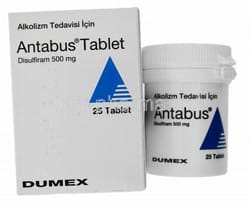
Buy Antabuse Online: Best Prices and Fast Delivery Options
Prescription Protocols and Daily Dosage
When a doctor hands you that first prescription, they aren’t just handing over a bottle; they are handing you a chemical shield. For most adults, the standard dosage begins at 250 mg, though some patients might require 500 mg depending on their specific physiological needs. It is not a one-size-fits-all situation.
Think of the dosage like a thermostat for your sobriety. If you are just starting the journey, the physician might opt for a lower dose to ease you into the process. As you stabilize, they might bump it up. It is a delicate balance between maintaining a deterrent and managing side effects.
Consistency is the name of the game here. Missing a dose is like leaving the front door unlocked in a storm. You must stick to the schedule exactly as laid out. If you miss a day, don’t try to double up to play catch-up; just get back on track immediately.
The mechanism behind this is quite fascinating, if a bit harsh. Disulfiram works like a roadblock on a busy highway. It interferes with the enzymes in your liver that normally break down alcohol into harmless components. Instead, the process gets stuck at a messy, toxic midpoint.
Specifically, the drug inhibits acetaldehyde dehydrogenase. Without this enzyme, acetaldehyde builds up in your bloodstream like water behind a dam. This buildup is what triggers that sudden, violent reaction. It is a biological trap designed to make drinking feel physically impossible and incredibly unpleasant.
If you take even a tiny sip of wine, the reaction is almost instantaneous. You might feel your heart racing or your chest tightening. It is a sudden, overwhelming sensation that acts as a biological deterrent to any temptation that might cross your mind.
Timing and Administration
Timing your pill with your meals is a crucial part of the ritual. You should take your dose with a full glass of water, preferably with a substantial meal. This helps the medication absorb properly and can reduce the chance of feeling nauseous or lightheaded.
Taking it on an empty stomach is a recipe for disaster. You don’t want to walk into a meeting feeling like you’ve been hit by a freight train because your stomach was empty. A little bit of food acts as a buffer for your digestive system.
It is best to take it at the same time every single day. This keeps the levels in your blood steady and predictable. Think of it like setting an alarm for your recovery; it becomes a cornerstone of your daily routine and mental discipline.
For those who are just beginning their sobriety, schedules often vary. A common approach is the “tapering” method where the dose is adjusted over several weeks. This helps the body adapt to the chemical changes without causing unnecessary distress or anxiety.
Some patients follow a more intensive schedule if they are in a high-risk phase. This might involve twice-daily dosing or more frequent monitoring. Your doctor will tailor this based on whether you are in a clinical setting or managing things at home.
The goal is to create a safety net that stays under you at all times. Whether you take it once a day or twice, the key is that the shield never goes down. You want that biochemical barrier active 24/7 to ensure your progress remains intact.
The Danger of Sudden Consumption
We have to talk about the “flushing” reaction. If you consume alcohol while on this medication, the reaction isn’t just a mild headache. It is a systemic revolt. You may experience intense vomiting, palpitations, shortness of breath, and a crushing sensation in your chest.
This reaction can be terrifying for someone caught off guard. It’s not just a stomach ache; it’s a full-body emergency. This is why the warnings on the bottle are so stark. The body reacts to the alcohol as if it were a potent poison.
Even “hidden” alcohol can be a major problem. This includes certain mouthwashes, cough syrups, or even some types of vanilla extract used in cooking. You have to be a detective, checking labels carefully to ensure no sneaky spirits find their way into your system.
If you do experience a severe reaction, do not panic, but do act quickly. Seek medical attention if your heart won’t stop racing or if you cannot catch your breath. It is better to be safe than to face a potential cardiac event alone.
The cost of a prescription can vary, but you might see prices ranging from $20 to $150 depending on your insurance. Always check with your pharmacist to see what the out-of-pocket cost will be before you head to the counter.
| Dosage Type | Common Strength | Typical Use Case |
| Standard Adult | 250 mg – 500 mg | Maintenance of sobriety |
| Initial Phase | 250 mg | Introduction to treatment |
| High Intensity | 500 mg (Twice Daily) | Acute recovery support |
Current Market Pricing and Cost Factors
Navigating the financial side of recovery can feel like walking through a minefield. While the medication itself is a cornerstone of many sobriety programs, the price tag on the pharmacy receipt can come as a shock to the uninitiated. You might find that costs fluctuate wildly depending on where you live and which provider you visit.
On average, the retail price for a single tablet can range anywhere from $1.50 to $5.00. This variation isn’t just a random occurrence; it is driven by a complex web of supply chain logistics and regional pharmacy markups. For some, it is a minor expense, but for others, it adds up to a significant monthly burden.
It is vital to remember that the sticker price you see on a website isn’t always what you pay at the register. Pharmacy markups can act like a hidden tax, often inflating the cost of specialized medications. Being prepared for these variations can save you a massive headache when you are already facing a difficult journey.
Generic vs. Brand Name Realities
When you walk into a pharmacy, the pharmacist might ask if you want the brand-name version or the generic alternative. This isn’t just a question of preference; it is a question of your wallet. Generic versions of Disulfiram are usually much more affordable and work identically to the original.
Brand-name drugs carry a heavy premium because they fund the original research and marketing. While the name on the bottle might feel more “official,” the active ingredients in the generic version are legally required to be the same. Choosing the generic path is often the smartest way to keep your recovery costs manageable.
If you find yourself struggling with the monthly bill, ask your doctor if a generic switch is appropriate for your specific treatment plan. Most people find that the generic route provides the same biochemical shield without the heavy financial sting. It is a practical way to stay focused on healing rather than budgeting.
Below is a breakdown of how different coverage scenarios might influence your immediate out-of-pocket expenses for a standard supply.
| Coverage Type | Estimated 30-Day Cost | Typical Requirements |
| Full Insurance Coverage | $15 – $40 | Requires prior authorization |
| Generic (No Insurance) | $50 – $120 | Direct pharmacy retail price |
| Brand Name (No Insurance) | $300 – $600 | High out-of-pocket premium |
| Co-pay (With Insurance) | $25 – $75 | Standard deductible met |
The Hidden Costs of Care
The pill itself is only one part of the financial equation. Many people forget that you cannot simply walk into a store and buy this medication off the shelf like a box of aspirin. It requires a prescription from a licensed medical professional, which brings its own set of costs to the table.
Physician consultations can be quite pricey, especially if you are seeing a specialist or a psychiatrist. Some insurance plans may require multiple follow-up appointments to monitor your liver enzymes and ensure the medication is being tolerated well. These office visits can quickly add up if you aren’t prepared for them.
There is also the matter of lab work. Because this medication interacts heavily with your metabolic processes, regular blood tests are often non-negotiable. These diagnostic tests can sometimes fall under a different insurance tier, potentially increasing your total monthly expenditure for maintaining a safe treatment regimen.
Don’t let these secondary costs catch you off guard. It is wise to ask your clinic for a “total cost of care” estimate that includes both the prescription and the necessary monitoring. Being proactive about the financial side allows you to focus your energy where it matters most: your long-term sobriety.
Safe Acquisition and Pharmacy Logistics
Navigating the Digital Pharmacy Landscape
The internet is a vast ocean, and trying to find a reliable pharmacy can feel like searching for a needle in a haystack. While the convenience of clicking a button is tempting, not every website is a legitimate medical provider. You must treat every online vendor with a healthy dose of skepticism to ensure your safety.
Look for the “VIP” signs of a real pharmacy. A legitimate site will always require a valid prescription from a licensed healthcare provider before they ship anything. If a website promises to sell you Disulfiram without seeing a doctor, run the other way. They are likely selling counterfeit or dangerous substances.
Check for a physical address and a verifiable phone number on the website. A “ghost” pharmacy will often lack any way to contact a real human being. You can also verify their credentials through the National Association of Boards of Pharmacy. It is better to be cautious now than to deal with a crisis later.
Red flags often hide in plain sight. If you see prices that seem too good to be true, they almost certainly are. If the site looks like it was designed in 1998 or lacks secure payment icons, steer clear. These are the digital equivalent of a shady alleyway, and you shouldn’t wander in.
The Logistics of Delivery and Stability
Once you have placed your order, the clock starts ticking. Standard shipping timelines for prescription medications usually range from three to ten business days. This timeline depends heavily on whether the pharmacy is local or if they are shipping from a centralized distribution hub across the country.
You should never expect overnight delivery to be the norm unless you pay a significant premium. Most reputable pharmacies use standard ground shipping to ensure the package isn’t tossed around too aggressively. If a vendor promises “instant” delivery for a tiny fee, consider it a major warning sign of a scam.
Temperature control is a silent hero in the world of pharmacology. Some medications are sensitive to extreme heat or freezing temperatures, which can cause the chemical structure to break down. Always check if your medication requires “controlled temperature” shipping to maintain its vital stability and effectiveness during transit.
If you live in a particularly harsh climate, ask the pharmacist about specialized packaging. A pill that has sat in a hot delivery truck for three days might lose its potency entirely. It is worth paying an extra $10 or $15 for insulated packaging to ensure your medicine remains active.
Ensuring Valid Medical Oversight
A valid medical prescription is your primary shield against harm. This isn’t just a legal hurdle; it is a safety requirement. Because this medication interacts so aggressively with alcohol, a doctor must evaluate your liver function and overall health before you ever swallow a single tablet.
Attempting to bypass the prescription process is like trying to drive a car without brakes. It might work for a few minutes, but the crash is inevitable. A doctor provides the necessary oversight to ensure the medication is actually helping your recovery rather than causing unexpected physiological damage.
When you receive your order, always match the name on the bottle to your own. If there is any discrepancy, contact your pharmacist immediately. Even a small typo can lead to massive confusion in your medical records, which can complicate future treatments or insurance claims down the road.
Keep a digital or physical log of every pharmacy order you place. This includes the date, the pharmacy name, and the tracking number. If a shipment goes missing or arrives damaged, having this paper trail will be your best friend when filing a claim or talking to your doctor.
Comparison with Alternative Sobriety Aids
Divergent Mechanisms of Action
Choosing between Antabuse and Naltrexone is often like deciding between a sturdy fence and a gentle guide. Antabuse works through a “deterrent” mechanism, creating a physical sickness if alcohol is consumed. It is a blunt instrument that punishes the body. Naltrexone, conversely, is a “craving reducer” that blocks the euphoria of drinking.
Clinical outcomes often depend on the user’s psychological profile. Some patients find the fear of sickness highly motivating, while others find the constant threat of nausea too stressful to maintain. Studies suggest Naltrexone can be more effective for those struggling with the intense “rush” of alcohol, whereas Disulfiram serves those needing an external barrier.
It is not a one-size-fits-all situation in the clinic. A doctor might observe that one patient responds better to the biological blockade of Naltrexone. Another might find that the physiological consequences of Disulfiram provide the necessary “stop sign” they have been lacking for years.
Ultimately, the choice hinges on whether the patient needs to dampen the reward or avoid the reaction. Some people find that reducing the “high” is enough to quit, while others require the heavy hand of a physical deterrent to stay on the path.
Analyzing the Financial Burden
Money is a significant factor when navigating long-term recovery. The price differential between Disulfiram and Acamprosate can be quite stark depending on your insurance coverage. While Disulfiram acts as a deterrent, Acamprosate works to balance brain chemistry to prevent post-withdrawal symptoms.
Acamprosate can sometimes run as high as $400 per month without assistance. In contrast, generic Disulfiram might be more accessible, often costing around $50 to $100 per month. However, the cost of the pill is only one part of the equation you must consider.
You must also factor in the cost of the medical monitoring required for Disulfiram. Because it can impact the liver, regular blood tests are non-negotiable. These diagnostic visits can add an extra $150 or $200 to your monthly healthcare expenditure, potentially narrowing the price gap.
When you weigh the total cost, the “cheap” option isn’t always the most economical. A patient on Naltrexone might avoid the expensive blood work required by Antabuse, making it a more cost-effective choice for some individuals over a twelve-month period.
Tailoring Treatment to Recovery Stages
Recovery is a marathon, not a sprint, and the tools you use should change as you progress. Early in the journey, many clinicians prefer a deterrent like Antabuse to break the immediate cycle of heavy drinking. It serves as a heavy-duty anchor during the most volatile days.
As the brain begins to heal, the focus often shifts toward maintenance. Once the immediate danger of binge drinking has passed, Acamprosate becomes a vital ally. It helps smooth out the neurological “waves” that often trigger a relapse once the initial adrenaline of sobriety fades away.
Naltrexone often fits well for those in the middle stages who still face intense social triggers. It acts as a safety net, ensuring that if a slip occurs, the biological reward is stripped away. It is a way to dampen the fire rather than trying to extinguish it entirely.
Think of your treatment as a customized toolkit. You might start with the heavy hammer of Disulfiram to stop the damage, then transition to the fine-tuning tools of Acamprosate to maintain long-term stability and peace of mind.
Long-Term Cost-Benefit Analysis
When looking at the big picture, the most important metric is whether the treatment keeps you sober. A high-priced medication that works is infinitely better than a cheap pill that fails. You have to weigh the monthly pharmacy bill against the astronomical costs of a relapse.
Consider the hidden costs of untreated addiction. A single hospitalization or a legal issue can cost thousands of dollars in a single night. Therefore, investing $300 a month in a highly effective regimen is often a massive financial win in the long run.
The following table outlines the general profiles of these common options:
| Medication | Primary Function | Primary Risk | Typical Monthly Cost |
| Disulfiram | Deterrent (Sickness) | Liver Stress | $50 – $150 |
| Naltrexone | Craving Reducer | Nausea/Pain | $100 – $400 |
| Acamprosate | Brain Stabilizer | Drowsiness | $200 – $500 |
Always sit down with a financial counselor or your insurance provider to map out your trajectory. Knowing your out-of-pocket maximums can help you choose a medication that is both medically sound and financially sustainable for your specific lifestyle.
Managing Adverse Reactions and Risks
The most striking aspect of Disulfiram is its ability to turn a single sip of alcohol into a biological nightmare. If a person consumes even a tiny amount of alcohol while on this medication, the reaction is immediate and violent. It is not a subtle headache; it is a full-body rebellion that leaves the patient feeling like they have been hit by a freight train.
Common symptoms of this sudden reaction include intense flushing, rapid heartbeat, and a crushing sensation in the chest. Many people experience severe nausea, vomiting, and dizziness that makes standing upright nearly impossible. This “disulfiram-alcohol reaction” is designed to be so unpleasant that the mere thought of drinking becomes a powerful deterrent for the individual.
You shouldn’t mistake this reaction for a simple case of the flu. The sudden surge in blood pressure and the racing pulse can be genuinely terrifying. It is important to remember that this physical sickness is the medication working exactly as intended to prevent consumption and ensure the user stays on a sober path.
If you or someone you know experiences these symptoms, do not try to “tough it out” at home. While the feeling will eventually pass as the alcohol metabolizes, the stress on the heart can be significant. It is vital to stay calm and monitor the intensity of the symptoms until medical professionals can provide guidance.
Navigating Daily Side Effects
Beyond the extreme reaction caused by alcohol, Antabuse can bring its own set of daily nuisances. Many patients report feeling a bit “off” during the first few weeks of treatment. Dizziness and a general sense of lightheadedness are quite common, making tasks like driving or operating heavy machinery a bit more precarious than usual.
Nausea is another frequent visitor in the daily routine of a Disulfiram user. It can feel like a dull, persistent ache in the stomach that refuses to quit. To manage this, some find relief by taking the medication with a full meal, rather than on an empty stomach, which can help settle the digestive system.
Some people also report a metallic taste in their mouth or a strange, lingering fatigue. It’s like walking through a thick fog where everything feels slightly muted and heavy. While these side effects are rarely life-threatening, they can be incredibly frustrating and can sometimes tempt a person to skip their dose entirely.
If these daily struggles become overwhelming, talk to your doctor about adjusting the timing of your dose. Sometimes, a small tweak in your schedule can make the difference between a manageable nuisance and a reason to abandon the treatment altogether. Patience is a virtue when your body is adjusting to its new chemical reality.
When to Seek Emergency Care
While most side effects are manageable, there are red flags that demand immediate medical attention. If you experience chest pain that feels like a heavy weight, or if your heart is racing uncontrollably even when you haven’t touched alcohol, call emergency services right away. These can be signs of serious cardiovascular stress.
Confusion and extreme disorientation are also major warning signs. If a person becomes suddenly erratic, loses their sense of time, or experiences severe tremors, it could indicate a neurological or hepatic complication. These are not things to ignore or wait out until the morning; they require a hospital setting immediately.
Jaundice is another critical indicator that something is wrong with your internal chemistry. If you notice a yellowing of the skin or the whites of your eyes, it may suggest that your liver is struggling under the weight of the medication. This is a serious matter that requires a physician’s urgent evaluation.
In the event of an accidental alcohol consumption, the reaction can be so intense that it causes fainting or seizures. If a person loses consciousness or has difficulty breathing, do not wait. Emergency intervention is necessary to stabilize the patient and ensure their airway remains clear during the peak of the reaction.
Avoiding Dangerous Interactions
The world is full of hidden alcohols that can trigger a reaction, and you must be a vigilant detective. Many over-the-counter medications contain trace amounts of ethanol that can cause a sudden, unexpected sickness. Always read the fine print on every bottle you pick up from the drugstore shelf.
Common culprits include certain cough syrups, mouthwashes, and even some types of lozenges. A simple cough syrup used to treat a dry throat could potentially trigger a disulfiram reaction if it contains alcohol. It is a small detail that can lead to a very large, very painful mistake if overlooked.
Beyond alcohol, you must be cautious with medications that affect liver enzymes. Some antibiotics and antifungal drugs can change how your body processes Disulfiram, either making it more toxic or making it less effective. It is a delicate dance of chemistry that requires constant communication with your healthcare provider.
To keep yourself safe, maintain a running list of every supplement and over-the-counter pill you take. Show this list to your pharmacist every single time you fill a prescription. It is better to be overly cautious than to find yourself in a medical crisis because of a hidden ingredient in a common cold remedy.
Long-Term Health Considerations
For those using Antabuse as a long-term tool for sobriety, the focus must shift toward protecting the liver. Chronic use of the medication requires regular, diligent monitoring to ensure your liver enzymes remain within a safe range. Think of these blood tests as a vital check-up for your internal engine.
The liver is the primary organ responsible for processing this drug, and constant stress can lead to inflammation or damage over time. While most people tolerate the medication well under medical supervision, the risk of hepatotoxicity is a factor that cannot be ignored. Regularity in testing is your best defense against long-term damage.
Neurological health is another area that warrants attention during prolonged treatment. Because the medication affects how the brain processes certain metabolic pathways, some users may experience changes in mood or cognitive function over many months. Keeping a journal of your mental state can help you spot subtle changes early on.
Finally, remember that medication is only one pillar of a much larger structure. Long-term success with Disulfiram usually involves a combination of therapy, support groups, and lifestyle changes. The pill is the guardrail, but your commitment to the broader journey of recovery is what ultimately keeps you on the road.
Practical Implementation in Recovery Plans
Treating Antabuse as a solitary shield is a recipe for disaster; it works best when woven into a much larger tapestry of care. Think of the medication as a high-tech guardrail on a winding mountain road. It provides a safety net, but you still need a skilled driver to keep the car on the path.
Supervised programs provide the necessary framework to ensure the medication is being used effectively. These programs often involve clinical psychologists and addiction specialists who monitor the patient’s progress closely. They don’t just hand over a prescription; they build a structured environment where the physiological deterrent acts as a motivation for deeper psychological work.
Without this professional scaffolding, a person might feel isolated in their struggle. A multidisciplinary team helps bridge the gap between the physical aversion to alcohol and the underlying cravings. By integrating the medication into a clinical setting, providers can adjust dosages and monitor vital signs to ensure the patient remains both safe and motivated.
Family involvement acts as the glue that holds the recovery plan together during difficult stretches. Having a trusted family member who understands the mechanics of the disulfiram reaction can be a lifesaver. They serve as a second pair of eyes, watching for subtle shifts in mood or physical health that the patient might overlook.
This supervision isn’t about policing every movement, but rather about creating a supportive, transparent environment. A family member might help track medication adherence or assist in navigating social situations where alcohol is present. When everyone is on the same page, the burden of staying sober feels less like a lonely battle and more like a shared mission.
Communication is the heartbeat of this family dynamic. Discussing the “what-ifs” ahead of time—such as accidental ingestion or unexpected side effects—can prevent panic. When a family knows exactly what a reaction looks like, they can act with calm precision, which is vital for maintaining a stable recovery environment for everyone involved.
Navigating the dinner table becomes a tactical exercise when you are on this medication. You cannot simply “wing it” when dining out or attending parties. Hidden alcohols lurk in sauces, dressings, and even certain types of bread or vinegars. It requires a level of vigilance that can feel exhausting if you aren’t prepared.
I remember a client who thought a simple balsamic glaze was safe, only to find out it had fermented slightly. The resulting reaction was a harsh lesson in the importance of dietary precision. You must become an expert on your own menu. Asking the chef about ingredients isn’t being “difficult”; it is a fundamental part of your medical safety.
To make this easier, many people find success by following these dietary guidelines:
- Always verify the ingredients in sauces, marinades, and dressings.
- Avoid “home-brewed” or artisanal products where fermentation levels vary.
- Be wary of certain extracts used in vanilla or almond flavoring.
- Check labels on mouthwashes and over-the-counter cough remedies.
The process of monitoring progress is a moving target that requires constant recalibration. Medical oversight isn’t a “set it and forget it” affair; it is a dynamic dialogue between the patient and the physician. As the body adapts to the medication, the clinical approach must evolve to match the patient’s changing needs.
Regular blood work is non-negotiable to keep an eye on liver function and metabolic markers. If a patient begins to show signs of fatigue or skin changes, the doctor might decide to pause the medication or adjust the timing. This agility in medical oversight is what prevents a therapeutic tool from becoming a health liability.
Progress isn’t just about staying sober; it’s about how the patient is functioning in daily life. Are they sleeping better? Is their anxiety decreasing? These qualitative metrics are just as important as the quantitative data from a lab report. A holistic view ensures that the treatment is supporting the whole person, not just suppressing a symptom.
Psychological preparation is the “mental armor” needed before the first dose is ever swallowed. The idea of a physiological deterrent—a physical sickness triggered by a craving—can be terrifying. Patients need to mentally reconcile the fact that the medication is an ally, even though its mechanism of action feels like an enemy.
It is helpful to visualize the “deterrent” as a biological boundary rather than a punishment. If you go into the process feeling like you are being coerced, the psychological resistance can be overwhelming. Instead, view the medication as a tool that creates a “buffer zone,” giving your brain the time it needs to heal without the immediate threat of a relapse.
Consider this a mental rehearsal for the worst-case scenario. Knowing exactly what the physical sensation of a reaction feels like allows you to remain in control if it happens. It turns a potential crisis into a manageable medical event, allowing the patient to maintain their sense of agency throughout the long, often bumpy road of recovery.
Pingback: Buy Cialis Daily Online for Best Prices and Fast Shipping – blissspray.pk