

Buy Vermox Online: Best Prices and Fast Delivery
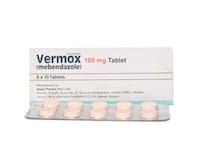
Buy Vermox Online: Best Prices and Fast Delivery
Effective Dosage and Administration Protocols
Trying to figure out the right way to take medication can feel like walking through a minefield without a map. When you are dealing with intestinal parasites in adults, the standard protocol usually involves a single 100mg dose of mebendazole. Most doctors suggest taking this as one tablet, though some specific infections might require a more intensive approach. It is vital to follow the prescription to the letter.
Think of your body as a delicate ecosystem that needs careful balancing. For many common pinworm cases, a single dose might do the trick. However, the parasite can be a sneaky little devil, often hiding in plain sight. If the infection is particularly stubborn, your healthcare provider might suggest a second dose two weeks later to catch any newly hatched eggs.
Timing is everything when you want to make sure the medicine actually does its job. While some people swear by taking it on an empty stomach, the general rule for Vermox is that it doesn’t strictly depend on food. However, taking it with a meal can often soothe a sensitive stomach and prevent that dreaded bout of nausea or abdominal discomfort.
Adult and Pediatric Guidelines
Adults usually find success with a straightforward regimen. If you are dealing with common intestinal worms, the standard dose is 100mg. You shouldn’t try to play doctor by doubling up on doses to “kill them faster.” Overdoing it won’t speed up the process and might only lead to an unpleasant afternoon of stomach cramps or diarrhea.
When the conversation shifts to children, the stakes get much higher. Pediatric dosing is not a “one size fits all” situation. Usually, for children over two years old, the dosage remains consistent with the adult dose, but the way it is administered is key. You must ensure the tablet is crushed or chewed properly to avoid choking hazards or uneven distribution.
Safety is the name of the game when little ones are involved. Never administer this medication to a child under the age of two unless a doctor specifically commands it. It is better to be safe than sorry. Always double-check the weight of the child, as this can sometimes influence the clinical decision regarding the specific treatment cycle required.
- Adults: Typically 100mg as a single dose for pinworms.
- Children (2-24 years): 100mg single dose, often repeated.
- Infants: Not recommended for children under 2 years old.
Managing Treatment Cycles
A single dose is often a “one and done” deal for many. If you catch the infection early, you might be in the clear after one pill. It is like catching a leak before the whole basement floods. However, if you are dealing with a more persistent strain, the cycle changes entirely. You might need to repeat the dose after two weeks.
Why the two-week gap? Well, the medicine kills the worms, but it doesn’t necessarily kill the eggs. If those eggs hatch after the first round, you’ll find yourself right back where you started. It’s a bit like trying to pull weeds; if you leave the roots or the seeds, they’ll simply pop up again in no time.
Consistency is the secret sauce here. Skipping a dose or getting lazy with the timing can lead to a cycle of reinfection. If your household is experiencing symptoms, everyone should probably be treated simultaneously. It is a bit of a chore, but it prevents the “ping-pong” effect where family members keep passing the parasites back and forth.
| Infection Type | Standard Protocol | Estimated Cost (Retail) |
| Pinworms | Single dose, repeat in 2 weeks | $15 – $25 |
| Roundworms | Multiple doses over 3 days | $20 – $40 |
Common Administration Mistakes
One of the most frequent blunders is the “hope and pray” method of self-administration. People often assume that because they feel better, the job is done. This is a dangerous assumption. You might feel fine, but the parasites could still be lurking in your system, waiting for their moment to multiply once again.
Another slip-up involves the timing of meals. While food isn’t a strict requirement, taking the medication with a heavy, greasy meal might slow down absorption in some people. On the flip side, taking it on a completely empty stomach might cause some folks to feel a bit queasy. It is a bit of a balancing act, really.
Lastly, there is the issue of “sharing the wealth.” It is tempting to give a leftover pill to a friend or family member who seems to have similar symptoms. Please, don’t do that. Every infection is unique, and what works for your cousin might be entirely wrong for you. Always consult a professional before you start playing chemist in your kitchen.
Current Market Pricing and Cost Analysis
Navigating the pharmacy aisles can feel like walking through a financial minefield. You might walk into a local drugstore expecting a standard price, only to find the label looks like a typo. Prices for Vermox can fluctuate wildly depending on whether you are picking up a single strip or a larger supply for the whole family.
On average, you can expect to pay between $12 and $30 per unit for a standard prescription. This range is quite broad because it depends heavily on where you shop. A small boutique pharmacy in a high-rent urban center will almost certainly charge more than a massive warehouse club on the outskirts of town.
It is important to keep a sharp eye on the fine print. Sometimes, what looks like a bargain at first glance turns out to be a single dose, whereas a slightly higher price might cover a full treatment cycle. Always check the total count in the box before you reach for your wallet.
Brand vs. Generic Economics
The elephant in the room is always the brand-name versus the generic debate. Many patients feel a sense of loyalty to the original brand, believing it to be the “gold standard.” While brand-name versions offer a certain peace of mind, you are often paying a premium for the logo on the box rather than the actual medicine.
Generics are the unsung heroes of the pharmaceutical world. They contain the exact same active ingredient, working just as hard to clear out those pesky parasites. Switching to a generic version can often slash your total bill by nearly 50%. It is one of the easiest ways to keep your healthcare spending under control.
Think of it like buying milk. You can buy the expensive organic brand in a fancy glass bottle, or you can buy the store brand in a carton. Both will get the job done just fine. In the case of Vermox, the generic is often the smarter financial move for long-term management.
A few key factors can shift the price even further. Supply chain hiccups or sudden spikes in demand can cause prices to jump overnight. Additionally, your geographic location plays a massive role; living in a metropolitan area often means higher overhead costs for the pharmacist, which ultimately lands on your receipt.
Consider these common pricing structures when planning your purchase:
| Purchase Option | Quantity/Details | Estimated Cost |
|---|---|---|
| Single Dose (Brand) | 1 Tablet | $18 |
| Generic Equivalent | 1 Tablet | $8 |
| Family Pack | 10 Tablets (Generic) | $55 |
| Bulk Subscription | 30 Tablets (Generic) | $130 |
Strategic Purchasing and Savings
If you know you are dealing with a recurring issue, buying in bulk is a game changer. Purchasing a larger quantity at once can significantly lower the price per pill. It is a bit like buying a giant bag of rice instead of those tiny individual servings; the unit price drops significantly when you stock up.
However, do not go overboard just to save a few bucks. Medications have expiration dates, and there is no sense in hoarding pills that will be useless by next year. Always calculate if the “bulk discount” actually saves you money over the timeframe in which you will actually use the pills.
Digital marketplaces have changed everything. Online retailers often offer much lower prices than your local corner shop because they don’t have to pay for expensive storefront real estate. However, you must be vigilant about where you are buying from to ensure you aren’t getting a counterfeit product.
Pharmacy markups can sometimes feel like a gut punch. While some overhead is necessary to keep the lights on, the difference between a local pharmacy and a major online wholesaler can be staggering. It pays to be a savvy consumer and shop around before committing to a high-priced prescription.
Safe Purchasing and Verified Retailers
Navigating the digital pharmacy landscape can feel like walking through a thick fog without a compass. You want convenience, but you also need the certainty that what arrives in your mailbox is the real deal. It is a delicate dance between finding a great deal and avoiding a complete disaster.
Legitimate online vendors are much more than just a pretty website with low prices. They operate under strict regulatory oversight and maintain physical addresses that actually exist on a map. If a site feels like it was built in twenty minutes by someone in a basement, trust your gut and run.
A verified retailer will always provide clear contact information, including a phone number and a professional email address. They won’t hide behind a “Contact Us” form that leads to a dead end. Transparency is the hallmark of a business that actually stands behind the products they ship.
You should also look for a physical pharmacy license number listed clearly on their footer. If a site claims to be a pharmacy but refuses to show its credentials, they are likely playing a dangerous game with your health. Never gamble with your well-being just to save a few cents.
Identifying Red Flags
Some websites act like a siren song, luring you in with promises that seem too good to be true. If you see an offer for a massive supply of Vermox for only $5, your alarm bells should be ringing loudly. Such prices are often a bait-and-switch tactic used by bad actors.
Watch out for the “no prescription required” loophole. While some medications have different requirements depending on the region, any site that aggressively markets prescription-only drugs without a consultation is a major red flag. It is a shortcut that usually leads to a dead end of counterfeit pills.
The lack of customer reviews can also be a silent warning sign. A legitimate business will have a digital footprint, including discussions on third-party review platforms. If the only praise you see is on their own website, be extremely skeptical of their claims.
Avoid any site that uses outdated, broken links or has glaring grammatical errors throughout their checkout process. While a typo isn’t always a dealbreaker, a website that looks like it was cobbled together from scraps is rarely a secure place to handle medical transactions or sensitive data.
Pharmacy Certifications and Credentials
Think of pharmacy certifications as a seal of approval that says, “This place is the real McCoy.” In the United States, for instance, the VIPPS (Verified Pharmacy Program) seal is a gold standard for consumer safety. It ensures the pharmacy meets rigorous standards for quality and accuracy.
When shopping online, look for digital badges from recognized regulatory bodies. These aren’t just decorations; they are proof that the vendor has been audited and held to high standards of professional conduct. It is your first line of defense against the sea of illegitimate websites.
A reputable pharmacy will also have a clearly defined privacy policy. They should explain exactly how they handle your medical history and your personal data. If their policy is vague or non-existent, they might be selling your private information to the highest bidder on the dark web.
Always check if the pharmacy is licensed in your specific state or region. Regulations vary wildly, and a vendor that isn’t licensed to ship to your location is cutting corners. It is much better to pay a little more for a licensed professional than to risk a legal or health headache.
Secure Payment and Authenticity
When it comes to the moment of truth—the checkout—your payment method is your shield. Always use a credit card rather than a direct bank transfer or wire. Credit cards offer robust fraud protection and allow you to dispute a charge if the package never arrives or is incorrect.
Look for the “HTTPS” in the URL and the little padlock icon in your browser’s address bar. This indicates that your connection is encrypted, meaning a hacker can’t easily intercept your credit card number while it’s in transit. If you see “HTTP” without the “S,” close that tab immediately.
Before you hit that final “Pay” button, perform a quick audit of your digital cart. Verify that the quantity, dosage, and price match exactly what you intended to buy. Sometimes, subtle errors in the checkout flow can lead to you being billed for more than you requested.
Once the package arrives, do not just toss the box aside. Inspect the packaging for any signs of tampering, such as broken seals or crushed corners. Check the expiration date on the blister pack to ensure you aren’t receiving stale medication that has lost its potency.
| Verification Step | What to Look For | Action if Missing |
| Site Security | Padlock icon & HTTPS | Do not enter data |
| Payment Method | Credit Card/PayPal | Avoid wire transfers |
| Product Seal | Tamper-evident packaging | Do not consume |
| License Check | State/National ID | Avoid the vendor |
Shipping Logistics and Delivery Timelines
Navigating the journey from a pharmacy warehouse to your front door can feel like a game of chance. When you order medication, you aren’t just buying a pill; you are buying peace of mind. Most reputable vendors offer a tiered system for getting your package moving through the postal veins of the world.
Standard shipping is the workhorse of the industry, typically arriving within 7 to 14 business days. This option is often the most budget-friendly, making it a favorite for those who aren’t in a massive rush. It is the “slow and steady wins the race” approach to medical logistics.
If you are feeling the itch of urgency, expedited shipping is your best friend. This premium service can slash your wait time down to just 2 or 3 days. While it will cost more—often an additional $15 to $30—it ensures your treatment regimen stays on track without any stressful delays.
Always keep a close eye on the estimated arrival window provided at checkout. These dates are estimates, not ironclad promises. Weather, local holidays, or even a sudden surge in seasonal demand can cause a slight hiccup in the timeline, so try to order with a little “buffer room” in your schedule.
Tracking and Border Crossing
Once that package leaves the facility, you shouldn’t be left staring at a blank screen. Domestic orders usually come with a standard tracking number that updates every 24 hours. It’s like having a digital breadcrumb trail that leads straight to your doorstep, providing much-needed clarity.
International orders are a different beast entirely. They often require more rigorous tracking protocols to account for the hand-offs between different national postal services. If you are ordering across oceans, expect the tracking to jump from one carrier to another, which can sometimes cause a temporary silence in updates.
Customs is the gatekeeper of international shipping, and it can be a bit of a headache. When medication crosses a border, it may undergo inspection by local authorities. This process is strictly regulated to ensure everything is legal, but it can add several days to your total delivery time.
To avoid a situation where your package gets stuck in “customs limbo,” ensure all paperwork is impeccable. Legitimate pharmacies handle the heavy lifting, but you must ensure your delivery address is precise. One misplaced digit in a zip code can send a package on a wild goose chase through a foreign sorting facility.
Packaging and Protection
Medication is sensitive, much like a newborn or a fine wine. If the temperature fluctuates too wildly, the chemical integrity of the pills can be compromised. High-quality pharmacies utilize specialized packaging designed to act as a thermal shield against the blistering heat or biting cold of transit.
For items requiring strict climate control, you might see specialized insulated liners or gel packs inside the box. This extra layer of protection ensures the medicine stays within the safe zone. If you receive a package that feels unusually warm or frozen to the touch, inspect it carefully before use.
The outer box should be sturdy and tamper-evident. You want a package that looks like it has been through the ringer but remains intact. If the box arrives looking like it was used for target practice, it is a signal to pause and investigate the contents immediately.
Standard shipping costs usually range from $5 to $15, while specialized temperature-controlled packaging can push those fees up to $40 or more. While it might seem steep at first glance, it is a small price to pay to ensure your medicine is actually effective when you finally take it.
Managing Delivery Mishaps
Even with the best intentions, things can go sideways. Packages occasionally vanish into the void, or they arrive looking like they went through a blender. If your shipment is lost, don’t panic. Most reputable companies have a protocol to investigate the claim and issue a replacement or a full refund.
If the package arrives damaged, take photos immediately. These images serve as your primary evidence when filing a claim with the shipping carrier or the pharmacy. Do not discard the original packaging, as it often contains the necessary markings for the investigation to proceed smoothly.
Lost shipments are often the result of incorrect address details or a carrier error. If a package is marked as “delivered” but you can’t find it, check with neighbors or your local post office first. If it still hasn’t surfaced, contact the vendor’s support team to start the recovery process.
Damaged goods are a matter of safety. If the seal is broken or the blister pack is crushed, the medication might be compromised. Never settle for “good enough” when it comes to your health. If the integrity of the product is in doubt, demand a replacement from the provider.
| Issue | Likely Cause | Recommended Action |
| Lost Package | Incorrect Address / Carrier Error | Contact vendor for replacement |
| Delayed Delivery | Customs / Weather / High Volume | Check tracking/Wait 3 days |
| Damaged Contents | Rough Handling | Document with photos & claim |
| Missing Items | Warehouse Error | Contact customer support |
Side Effects and Contraindications
Taking medication is a bit like driving in a new city; you generally know where you are going, but there are always unexpected bumps in the road. While most people tolerate this treatment quite well, your body might decide to throw a bit of a tantrum as the parasites depart. It is not uncommon to feel a little under the weather during the initial phase.
Commonly, users report mild digestive hiccups that can feel quite annoying. You might experience a bit of nausea, or perhaps your stomach decides to play a game of tug-of-war with abdominal cramps. These sensations are usually just a sign that your system is working through the process and typically fade away without much fuss.
Other minor complaints include a slight headache or a sense of general fatigue. Think of it as your body’s way of saying, “I’m busy working over here!” If these symptoms feel like a mild nuisance rather than a crisis, they are usually manageable. However, always listen to your gut—literally and figuratively—when assessing how you feel.
When to Seek Immediate Help
While mild discomfort is part of the territory, there are certain red flags that should never be ignored. Occasionally, a person might have a rare but serious allergic reaction. If you notice your skin itching, or if you break out in hives, do not just sit there and hope it passes. This is your body’s alarm bell ringing.
The most critical signs are swelling of the face, lips, or throat, alongside any difficulty breathing. If you feel like your airway is narrowing, stop everything and seek medical attention immediately. These are emergency situations that require professional intervention right away. It is better to be safe than sorry when your breathing is on the line.
In rare instances, some patients might experience more severe neurological symptoms or intense dizziness. If you feel like the room is spinning or you experience sudden confusion, do not attempt to “sleep it off.” Reach out to a healthcare provider or head to the emergency room. These rare occurrences are the exception, but they require a swift, decisive response.
Who Should Avoid This Treatment
There are certain folks who should steer clear of this medication entirely. If you have a known history of hypersensitivity to mebendazole, then this is a hard “no.” Taking a drug that your body already recognizes as an enemy is a recipe for disaster. It is vital to be honest about your medical history with your doctor.
Pregnancy is another major consideration that requires a cautious approach. While the data is specific, many doctors advise against use during pregnancy unless the benefits clearly outweigh the risks. If you suspect you might be expecting, hold off on the pills and have a serious conversation with your physician first.
People with certain pre-existing conditions, such as severe liver issues, should also tread carefully. Since the liver is the body’s primary processing plant, any impairment can change how the medication is metabolized. It is a delicate balance, and you wouldn’t want to put extra strain on an organ that is already struggling to keep up.
Interactions and Professional Guidance
Medications do not live in a vacuum; they often have a chat with the other drugs in your system. It is crucial to mention everything you are currently taking to your doctor. Some drugs can change how your body absorbs or breaks down the medicine, potentially making it less effective or increasing side effects.
Common interactions can include certain anticonvulsants or other medications that affect how your liver processes substances. If you are on a cocktail of prescriptions, the risk of a “clash” increases. It is better to be thorough now than to deal with a complicated chemical reaction later when you are trying to heal.
Always consult a physician if you are unsure about your specific situation. They are the experts who can weigh your unique medical profile against the potential risks. If you feel any sudden, sharp pain or experience persistent vomiting, do not wait for the next scheduled dose. Contact your medical professional immediately to ensure you stay on the right track.
Comparative Analysis: Vermox vs. Alternatives
Choosing a treatment is often like picking the right tool for a complex DIY project. You wouldn’t use a sledgehammer to hang a picture frame, right? Similarly, when dealing with intestinal parasites, the “best” option depends entirely on the specific intruder you are facing. Vermox remains a heavy hitter in many households because of its reliability.
When we look at efficacy, Vermox (mebendazole) stands out for its broad spectrum. It works by starving the worms of glucose, effectively cutting off their fuel supply. While other drugs might target specific life stages, mebendazole is known for its “scorched earth” approach to various common species. It is a dependable workhorse in the pharmacological landscape.
However, “best” is a subjective term in medicine. Some alternatives might be more aggressive against specific types of hookworms or roundworms. It is not always a one-size-fits-all situation. You might find that one brand works like a charm, while another feels like bringing a knife to a gunfight. Always prioritize the specific parasite type identified by a professional.
Efficacy and Speed of Action
Speed is often the name of the game when you want to get back to your normal routine. Some anthelmintic medications work quite rapidly, often flushing the system within a few days. Vermox tends to be a steady player, requiring a specific course of treatment to ensure the entire population of parasites is neutralized effectively.
If you compare it to albendazole, you might notice differences in how quickly the “cleanup” occurs. Albendazole is often touted for its superior absorption in certain tissues, which can be a game-changer for systemic infections. In contrast, mebendazole stays largely within the gut, which is excellent for intestinal issues but less ideal for others.
Think of it as a race between the drug and the parasite. Some medications strike hard and fast, while others play a slow, methodical game. Depending on whether you are dealing with a light infestation or a more stubborn case, the speed of elimination can significantly impact how soon you feel like your old self again.
- Vermox: Targeted intestinal action with a steady, reliable pace.
- Albendazole: Often faster for systemic or tissue-based infections.
- Pyrantel Pamoate: Generally used for quick, single-dose “knockdown” effects.
Cost-Benefit and Side Effect Profiles
Money is always a factor when walking into a pharmacy. A single course of Vermox might cost around $15 to $25, depending on the dosage and region. While some specialized prescriptions can run much higher, the cost-benefit ratio for mebendazole is often quite favorable for most common intestinal issues.
Then there is the “hidden cost” of side effects. While some drugs might be slightly cheaper, they might come with a more turbulent ride for your stomach. A cheaper option that leaves you feeling miserable for three days isn’t actually a bargain. It is all about balancing the price tag with your personal tolerance for discomfort.
Commonly, users find that the side effect profiles of these medications are somewhat similar. You might face some nausea or a bit of a tummy ache regardless of which brand you choose. The real difference lies in the intensity and how your unique biology reacts to the specific chemical structure of the drug.
| Medication Type | Typical Cost | Primary Advantage |
| Mebendazole (Vermox) | $15 – $25 | High reliability for intestinal worms |
| Albendazole | $20 – $40 | Better for systemic infections |
| Pyrantel Pamoate | $10 – $20 | Often easier to administer |
Matching Treatment to Parasite Type
Not all worms are created equal, and neither are the drugs used to fight them. If you are dealing with pinworms, a quick-acting solution might be the preferred route to stop the itch. In those cases, the speed of elimination is the most important factor to prevent reinfection within the household.
For more complex issues, such as those involving larger roundworms, a more sustained approach is often necessary. This is where the “slow and steady” method of mebendazole shines. It ensures that the medication is present in the digestive tract long enough to catch the newcomers as they hatch from eggs.
It is vital to consult a doctor to identify the specific “bad guy” in your system. Using the wrong medication is like trying to fix a leaky pipe with duct tape; it might look okay for a second, but the problem is still there. Precision is the key to a clean bill of health and long-term peace of mind.