

Buy Tretinoin Gel Online for Best Skin Results
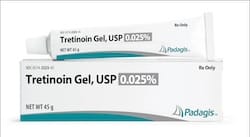
Buy Tretinoin Gel Online for Best Skin Results
Mastering the Application of Tretinoin Gel
Think of your skin like a delicate piece of silk fabric. If you scrub it too hard, the fibers fray. Applying tretinoin gel requires a similar touch of finesse. You aren’t just slathering on a cream; you are introducing a potent biological signal to your cells. It’s a slow dance, not a sprint toward instant perfection.
Timing is everything when working with this gold standard. Most dermatologists suggest applying it at night because sunlight can degrade the active ingredient. It is like trying to use a flashlight in a bright room; the sun simply washes out the magic. Consistency is your best friend in this long-term relationship.
Before you even reach for the tube, ensure your skin is bone-dry. Applying gel to damp skin is like opening a floodgate. It allows the medication to dive too deep, too fast, often leading to a fiery, red mess on your cheeks. Patience is a virtue that pays dividends in clear skin.
The Pea-Sized Rule
Less is significantly more when it comes to this potent gel. You might feel tempted to glob it on like a thick moisturizer, but that is a recipe for disaster. A single, small pea-sized amount is all you need for your entire face. Anything more is just wasted money and unnecessary irritation.
I once knew a client who thought more gel meant faster results. She ended up looking like a sunset, bright red and peeling everywhere. It’s a common trap. Your skin has a limit on how much it can absorb at once, so don’t try to force its hand.
Spread the gel carefully using your fingertips. Avoid the sensitive real estate around your eyes, the corners of your nose, and your lips. These areas are much more fragile and prone to cracking. Think of these zones as “no-fly zones” for the active gel during your nightly routine.
If you find yourself feeling a slight tingle, don’t panic immediately. However, if it feels like a sunburn, you’ve gone too far. Listen to your skin’s whispers before they become loud screams of irritation. A little bit of discomfort is normal, but actual pain is a red flag.
Layering and Buffering
The “sandwich method” is a lifesaver for those with sensitive skin. It involves applying a light moisturizer first, then your tretinoin, and then another layer of moisturizer on top. This creates a protective buffer, slowing down the penetration so your skin can acclimate without throwing a tantrum.
Some users prefer to skip the sandwiching and go straight to the gel on bare skin. While this is the most direct route, it is definitely the “deep end of the pool” approach. If your skin is already feeling a bit tight or flaky, lean into the buffering method to stay safe.
Sunscreen is non-negotiable, no matter how cloudy the sky looks. Tretinoin makes your skin more sensitive to UV rays, essentially turning off your natural sun protection. Think of it as an invisible shield that you must manually rebuild every single morning without fail.
When shopping for supporting products, keep an eye on your budget. High-quality, bland moisturizers are often better than expensive luxury creams filled with fragrances. You want simple ingredients that soothe, not complex formulas that might cause a reaction. Here is a quick breakdown of typical costs:
| Product Type | Estimated Price Range |
| Gentle Cleanser | $15 – $30 |
| Barrier Cream | $20 – $50 |
| Broad Spectrum SPF 50 | $15 – $45 |
The Adjustment Period
Expect a little bit of chaos before the calm arrives. This is often called “purging” or the “retinoid uglies.” You might see a few more breakouts or some mild flaking as your skin cells speed up their turnover. It is a temporary storm on the horizon of your skincare journey.
If you feel like you are hitting a wall, try the “sandwich” or “short contact” method. Short contact involves applying the gel, letting it sit for a few minutes, and then washing it off. It’s a way to train your skin to get used to the ingredient without the full-day exposure.
- Start with two or three nights a week.
- Avoid using exfoliating acids on the same night.
- Watch for extreme redness or swelling.
- Always use a gentle, non-stripping cleanser.
Remember, skin cells take about 28 to 40 days to turn over. You won’t see the real magic happen overnight or even in a week. It is a marathon, not a dash. Stick to the plan, stay hydrated, and the glow will eventually follow.
Optimal Dosage and Frequency Protocols
Navigating the Acclimatization Phase
Diving headfirst into a nightly regimen is a rookie mistake that often leads to a skin disaster. Instead, think of your skin like a new runner training for a marathon; you wouldn’t sprint twenty miles on your very first day. You must gradually introduce the gel to build up your skin’s tolerance level.
Most dermatologists suggest starting with a “slow and steady” approach to prevent a massive inflammatory response. Many people find success by applying the gel just twice a week during the first month. This allows your skin to adjust to the increased cell turnover without feeling like it is being scorched by a desert wind.
Once your complexion stops feeling tight or looking like a desert landscape, you can slowly increase the frequency. Moving from twice a week to every other night is a logical next step. If everything remains calm and your skin feels resilient, you may eventually transition to nightly application as your tolerance grows.
It is vital to remember that “more” does not equal “faster.” Using more gel won’t accelerate the anti-aging process; it will only accelerate the peeling and redness. If you notice significant irritation, take a step back. It is perfectly fine to skip a few nights to let your skin barrier recover its strength.
Tailoring Your Routine to Your Budget
Since tretinoin is a long-term commitment, the cost of your supporting skincare can add up quickly. You don’t need to break the bank on luxury items to see incredible results. Often, the most effective routines rely on simple, clinical-grade products that focus on hydration and sun protection rather than fancy scents.
When planning your monthly skincare budget, it is wise to weigh the costs of different procurement methods. Some people prefer buying individual tubes as needed, while others opt for subscription models to save a bit of cash. Understanding these price points can help you maintain consistency without financial stress.
The following table outlines typical monthly spending scenarios for those managing a tretinoin-focused regimen. These figures represent a general estimate of what you might expect to spend on essential supporting products like cleansers, moisturizers, and sunscreens.
| Routine Type | Estimated Monthly Cost | Focus Area |
|---|---|---|
| Basic Essentials | $45 | Cleanser and SPF |
| Balanced Care | $85 | Cleanser, SPF, and Barrier Cream |
| Premium Support | $150 | High-end Hydrators and Serums |
| Budget Friendly | $30 | Generic Cleanser and SPF |
Signs of Success and Red Flags
How do you know if the protocol is actually working? Initially, you might see a slight increase in breakouts, which is the skin clearing out deep-seated congestion. This “purging” phase is a sign that the gel is doing its job by accelerating the renewal process of your skin cells.
After a few months, the “purging” should subside, replaced by a smoother texture and a more even skin tone. You might notice that fine lines appear less prominent and your complexion has a natural, healthy radiance. This is the “glow” that everyone is chasing when they start their journey.
However, you must keep a sharp eye out for genuine signs of damage. If your skin becomes chronically red, itchy, or starts oozing fluid, you have crossed the line from “adjusting” to “irritating.” At that point, stop all actives immediately and focus purely on repairing your skin’s protective barrier.
Consistency is your best friend in this endeavor. You cannot use it for three days, skip a week, and then expect miracles. It is the steady, disciplined application of the correct amount that eventually transforms your complexion from dull to luminous. Stay the course, but listen to your skin’s internal compass.
Cost Analysis and Price Comparisons in USD
Navigating the Price Spectrum
Walking into a pharmacy can feel like stepping into a high-stakes poker game where the dealer holds all the cards. You might see a single tube of tretinoin priced at $20, while the shelf next to it boasts a $100 version. It is easy to assume that a higher price tag equates to superior skin miracles.
In reality, the cost often boils down to the brand’s marketing budget rather than the potency of the active ingredient. Generic formulations frequently offer the same clinical efficacy as name-brand options but at a fraction of the cost. It is a bit like buying coffee; the expensive bean might taste better, but the caffeine hits just the same.
When you are looking at your monthly bank statement, it is important to differentiate between the medication itself and the auxiliary products. The gel is the heavy lifter, but the moisturizer is the safety net. Budgeting for both is the only way to avoid a mid-month financial headache when the skin gets dry.
Many savvy users find that buying in bulk or through specialized online pharmacies can shave significant amounts off their total. However, you must be cautious of “too good to be true” deals on shady websites. If a deal looks like a steal, it might just be a counterfeit product that could wreak havoc on your face.
Comparing Procurement Methods
Deciding how to source your supply is a classic dilemma for anyone on a long-term skin journey. Some people prefer the convenience of a local pharmacy, even if it means paying a premium for the proximity. It is a “peace of mind” tax that many are willing to pay to ensure authenticity.
Others swear by the subscription model, which often provides a steady stream of product without the last-minute panic. This method can be a lifesaver for those who tend to forget when they are running low. It keeps the momentum going, which is absolutely vital when you are fighting stubborn acne or fine lines.
Direct-to-consumer online platforms have also changed the landscape significantly. They often bypass the traditional brick-and-mortar overhead, passing those savings onto you. It is a digital revolution that has made high-quality dermatological care much more accessible to the average person living on a strict budget.
Consider these common price points you might encounter during your search:
- Prescription Generic Gel: Typically ranges from $25 to $50 per tube.
- Brand Name Formulations: Can escalate quickly, often hitting $120 or more.
- Subscription Services: Often offer a 15% to 20% discount on recurring orders.
- Sample Sizes: Great for testing, but can cost up to $15 for a tiny amount.
The Hidden Costs of Irritation
We often talk about the sticker price, but we rarely discuss the “repair tax.” If you use the gel too aggressively, you will find yourself standing in the skincare aisle buying expensive soothing creams and barrier balms. This is money spent fixing a problem that could have been avoided with patience.
It is a bitter pill to swallow when your “cheap” routine ends up costing a fortune in emergency hydration products. A $30 tube of gel can quickly turn into a $200 monthly ordeal if you aren’t careful. Think of it as an investment in stability rather than just a purchase of a chemical.
To keep your finances as smooth as your skin, always factor in the cost of a high-quality SPF. You cannot use tretinoin without being vigilant about sun protection. If you skip the sunscreen, you are essentially throwing your money down the drain by undoing all the progress the gel has made.
Ultimately, the cheapest way to use tretinoin is to use it correctly. By following the slow-and-steady approach, you minimize the need for expensive corrective skincare. It is a marathon, not a sprint, and staying within your budget requires the same discipline as staying within your skin’s tolerance limits.
Navigating Online Purchases and Shipping
Navigating the digital marketplace for prescription skincare is like wandering through a sprawling bazaar. One moment you are browsing reputable, licensed pharmacies, and the next, you are staring at a suspicious pop-up promising a $5 miracle. It is easy to lose your footing when the interface looks professional but the legitimacy is questionable at best.
I once knew a woman who ordered her entire six-month supply from a site that looked incredibly slick. The price was suspiciously low, almost a steal. When the package finally arrived, the gel was a watery mess that smelled more like industrial solvent than medicine. She ended up spending $150 on dermatologist visits to fix the chemical burns.
Always verify that the online vendor is a legitimate, licensed pharmacy before you hit that “checkout” button. Look for seals from recognized regulatory bodies that act as a digital stamp of approval. If a website lacks a physical address or a clear way to contact a pharmacist, you should probably run in the opposite direction.
When it comes to shipping, do not overlook the importance of temperature control. Tretinoin is a sensitive creature that dislikes extreme heat. If your package sits on a sweltering porch in 95-degree weather for three days, the active ingredients might degrade before you even open the box. It is a frustrating waste of money.
Shipping Logistics and Reliability
The way your product travels from the warehouse to your doorstep can significantly impact its potency. You might pay extra for expedited shipping, and it is often worth every cent. Waiting two weeks for a package only to find it has sat in a sorting facility in a hot climate is a recipe for disappointment.
I have seen people opt for the cheapest shipping option available to save a few bucks. However, the “economy” route often means your precious gel spends more time in the hands of various logistics companies. It is better to spend an extra $10 now than to receive a neutralized, useless tube later on.
Check the tracking information religiously once your order is placed. If a shipment is stalled in transit, don’t just sit there twiddling your thumbs. Contact the provider immediately to ensure your skin care routine isn’t interrupted. Consistency is the golden rule of tretinoin, and shipping delays are the enemy of consistency.
Below is a quick breakdown of what to expect regarding delivery and cost factors:
| Shipping Method | Estimated Cost | Primary Benefit |
| Standard Ground | $5 – $10 | Lowest upfront expense |
| Expedited Air | $15 – $30 | Faster delivery, less heat exposure |
| Subscription Delivery | Often Free | Predictable and convenient |
Spotting Red Flags in Digital Stores
The internet is a wild west of skincare promises. If a site claims their tretinoin works “overnight” or “instantly,” they are selling you a fairy tale. Real results take weeks, not hours. Any vendor promising immediate skin transformations is likely peddling something that isn’t actually what they claim it to be.
Be wary of websites that do not require a valid prescription. It might feel convenient to skip the doctor’s visit, but buying prescription-strength medication without a script is a massive gamble. You are essentially playing a game of Russian roulette with your facial skin, and the odds are not in your favor.
Another red flag is the lack of customer reviews or, conversely, a suspiciously perfect list of five-star testimonials. Real users often have nuanced experiences. If every single person is shouting about how it changed their life in a suspiciously similar way, your internal alarm bells should start ringing loudly.
Keep these specific warning signs in mind while you browse:
- No Physical Address: If they only exist as a “Contact Us” form, proceed with extreme caution.
- Unrealistic Pricing: A $10 tube of prescription gel is a massive red flag for counterfeit products.
- Payment Methods: Avoid sites that only accept untraceable methods like wire transfers or gift cards.
- No Pharmacist Contact: Legitimate pharmacies will always have a way to speak to a professional.
Tretinoin Gel vs. Retinol vs. Adapalene
Navigating the skincare aisle can feel like walking through a dense fog. You see endless tubes promising the fountain of youth, but the chemical reality is far more complex. It is easy to get caught up in the hype, yet understanding the hierarchy of these molecules is essential for your skin’s health.
Think of these ingredients as a ladder of potency. At the bottom, you have the gentle, slow-moving retinol. In the middle, there is the more targeted adapalene. Then, at the very top, sits tretinoin gel, the heavy hitter that often requires a prescription to access safely.
Choosing the wrong one is like trying to fix a leaky faucet with a sledgehammer. You might achieve the result, but you’ll likely cause significant collateral damage to your skin barrier. Knowing where each ingredient sits on the spectrum helps you manage your expectations and your budget.
The fundamental difference lies in how many steps the skin must take to convert the substance into retinoic acid. This conversion process determines how much irritation you might endure and how quickly you see those coveted results in the mirror.
The Hierarchy of Potency
Retinol is the “entry-level” option, often found in over-the-counter moisturizers or serums. Because the skin must perform several chemical conversions to make it active, it is quite forgiving. It is a marathon runner, not a sprinter, working quietly beneath the surface to smooth out fine lines.
If you have sensitive skin or are a complete novice, starting with retinol is like learning to swim in the shallow end. It is much less likely to cause the dreaded “retinol uglies,” where your skin peels and turns red. You might spend $30 to $60 on a good bottle.
Adapalene, on the other hand, is a bit of a rebel. Originally designed specifically for acne, it is a retinoid that is much more stable and selective. It bypasses some of those conversion steps, making it more effective for blemishes while remaining available without a prescription in many regions.
Many people find success with adapalene when dealing with stubborn breakouts. It is a bridge between the gentle world of retinol and the intense realm of prescription tretinoin. A tube might cost you anywhere from $15 to $40, making it a very accessible middle ground.
Tretinoin gel is the gold standard, the heavyweight champion of the skincare ring. It is pure retinoic acid, meaning it hits your skin cells with immediate, direct force. There is no conversion delay; it gets straight to work on collagen production and cellular turnover.
Because it is so potent, it is a double-edged sword. While it offers the most dramatic results for aging and acne, it also carries the highest risk of dryness and irritation. Using this without a doctor’s guidance is like trying to drive a race car without any training.
To help you visualize the differences, I have put together a quick comparison table:
| Ingredient | Strength | Availability | Primary Use |
| Retinol | Low | Over-the-Counter | Fine lines & Texture |
| Adapalene | Medium | Over-the-Counter | Acne & Pores |
| Tretinoin | High | Prescription | Aging & Severe Acne |
Troubleshooting Common Skin Reactions
Starting a tretinoin regimen can feel like walking through a thunderstorm without an umbrella. You might expect a smooth transition to glowing skin, but instead, you find yourself staring at a mirror that reflects nothing but redness and flakes. This isn’t necessarily a sign that you should throw the tube in the trash immediately.
Most users encounter what dermatologists call “retinization.” This is a temporary period where your skin’s cellular turnover speeds up so dramatically that the top layers struggle to keep pace. It is a volatile phase that requires patience, much like teaching a stubborn puppy a new trick. You cannot rush the biological process.
If your face feels like it has been sandblasted, you are likely experiencing the common side effects of potent retinoids. While it feels alarming, understanding the difference between “normal adjustment” and “a full-blown chemical burn” is the secret to surviving your first month of treatment without losing your mind.
When things go sideways, the best approach is to step back and evaluate your routine. You might be doing something that exacerbates the irritation. Sometimes, the culprit isn’t the tretinoin itself, but rather the way you are applying it or the other products you are layering on top of it.
Managing Redness and Peeling
Peeling skin is the hallmark of the tretinoin experience. It can be incredibly frustrating to wake up with patches of skin hanging off like old wallpaper. Many people try to scrub these flakes away, but that is a recipe for disaster. Scrubbing only creates microscopic tears in your already compromised barrier.
Instead of reaching for an exfoliant, reach for a heavy-duty ceramide cream. Think of your skin barrier as a brick wall; tretinoin temporarily removes some of the mortar, leaving the structure wobbly. You need to replenish those lipids to keep the moisture locked in and the irritation at bay.
If the redness becomes intense, try the “sandwich method.” Apply a thin layer of moisturizer, wait for it to dry, apply your tretinoin gel, and then apply another layer of moisturizer on top. This creates a buffer that slows down the penetration, making the experience much more tolerable for sensitive types.
If you find yourself reaching for expensive soothing serums, remember that simplicity is your best friend. A basic, fragrance-free moisturizer might cost you $20, while a luxury “recovery cream” could easily run you $80. In this stage of your journey, the cheaper, boring option is often the superior one.
Navigating the Purge
The “purge” is the dreaded period where your acne seems to get significantly worse before it gets better. It is an incredibly discouraging phase. You might see new whiteheads popping up in areas where you haven’t had a breakout in years. It feels like you are moving backward in your skincare journey.
However, this is actually a sign that the tretinoin is doing its job. It is pushing all the underlying congestion to the surface all at once. It’s like cleaning out a cluttered closet; you have to make a mess before you can finally see the floor. You have to push through the chaos to reach the clarity.
The key here is to avoid the temptation to pick or squeeze. Popping a purge pimple is like opening a door to a localized infection. It can lead to permanent scarring or hyperpigmentation, which is much harder to treat than a simple temporary breakout. Leave the skin alone and let the gel work.
If the purging lasts longer than eight to twelve weeks, it is time to call your doctor. Persistent inflammation that doesn’t subside might not be a purge, but rather a sign of contact dermatitis. You shouldn’t have to suffer through constant pain and swelling to achieve healthy skin.
Identifying Allergic Reactions
There is a massive difference between “irritation” and a true “allergic reaction.” Irritation is usually localized to where you applied the product and feels like dryness or stinging. An allergic reaction, however, is a systemic rebellion from your immune system that requires immediate attention and medical intervention.
Watch out for these specific red flags that indicate you should stop using the product immediately:
- Itchy Hives: Raised, red bumps that appear suddenly and feel intensely itchy.
- Swelling: Puffiness around the eyelids, lips, or face that distorts your features.
- Blistering: Small, fluid-filled bumps that suggest a severe inflammatory response.
- Burning Sensation: A heat that feels deep and intense, rather than a light stinging.
If you experience any of the above, wash the product off immediately with cool water. Do not try to “power through” an allergy. You can spend $50 on a soothing cream, but it won’t help if your body is actively rejecting the formula. When in doubt, consult a professional.
Managing these reactions is all about balance and timing. If you start too strong, too fast, you will likely crash. If you go too slow, you may never see the results you desire. Finding that “sweet spot” is a personal journey that requires listening to your skin’s unique language.