

Buy Clomid Online: Compare Best Prices and Fast Shipping
Buy Clomid Online: Compare Best Prices and Fast Shipping
Clomid Dosage and Common Usage Scenarios
Walking into a fertility clinic can feel like entering a maze without a map. You might hear the term “Clomid” mentioned as if it were a magic fix, but it is rarely that simple. Dosage isn’t a one-size-fits-all solution; it’s a delicate balance between your unique chemistry and medical precision.
Doctors often start with a low baseline to see how your system reacts to the sudden hormonal nudge. It is much like testing the water temperature before diving into a deep pool. Taking too much too early can trigger unexpected side effects, so many physicians prefer a “start low, go slow” approach to ensure safety.
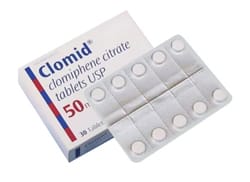
A common starting point is a 50mg dose taken daily for about five days during the first half of your menstrual cycle. The timing is everything here. The goal is to trigger ovulation when your natural hormone levels are at their lowest. If that doesn’t do the trick, a doctor might bump the dose up to 100mg.
Every woman’s endocrine system is as unique as a fingerprint. What works wonders for your best friend might be a total dud for you. This variability is exactly why medical supervision is non-negotiable when you are dealing with such potent medication.
Common Patterns in Clinical Application
When a doctor prescribes this medication, they are essentially trying to trick the brain into thinking it isn’t producing enough estrogen. This sends a signal to the pituitary gland to release more follicle-stimulating hormone (FSH). It is a clever biological workaround to jumpstart a stalled engine.
In some scenarios, your physician might suggest a “step-up” or “step-down” approach. This involves adjusting the milligrams based on ultrasound results or blood work from previous cycles. It’s a bit like tuning a high-performance engine; you have to listen closely to the feedback the body provides.
Some patients find success with a different schedule entirely, such as taking it every other day. This is often used to minimize side effects like mood swings or headaches. The goal is to find that “Goldilocks” zone where the medication is effective without making you feel miserable.
Below is a general overview of how different scenarios might look in a clinical setting. Please remember that these are typical patterns and not a personalized prescription for your specific health needs.
| Scenario Type | Typical Dosage Range | Primary Goal |
| Standard Ovulation Induction | 50mg – 100mg daily | Stimulate follicle growth |
| PCOS Management | 50mg – 150mg daily | Address insulin/hormone balance |
| Off-label/Specialized Use | Customized by physician | Specific hormonal regulation |
The Financial Side of the Journey
Let’s talk turkey for a moment. Checking the price at the pharmacy counter can sometimes feel like a punch to the gut, especially when you are already dealing with the emotional weight of fertility struggles. Prices fluctuate wildly depending on where you live and what your insurance covers.
On average, a single month’s supply of generic Clomid might cost anywhere from $15 to $50. However, if you are dealing with brand names or specific specialty pharmacies, that number can climb much higher. It is always wise to shop around and compare prices before committing.
If you find yourself looking at a bill that looks more like a mortgage payment, don’t lose hope. Many manufacturers offer patient assistance programs or coupons that can bring the cost down. It is worth the extra phone calls to save a few bucks.
Always keep a close eye on your total out-of-pocket expenses. Between the medication, the frequent ultrasounds, and the blood tests, the costs can snowball quickly. Budgeting for the “what ifs” is a smart way to manage the stress of the entire process.
- Generic Clomid (30-day supply): ~$20.00 – $60.00
- Brand Name Options: $100.00+
- Co-pay variations: Highly dependent on insurance provider
Current Market Pricing for Clomid in USD
Walking into a pharmacy to pick up a prescription can feel like entering a high-stakes marketplace. You aren’t just paying for a small box of pills; you are paying for a piece of a much larger, often expensive, medical puzzle. The sticker shock is real, and it can catch many people unprepared.
The price tag on your receipt often depends on whether you are grabbing the generic version or the brand name. While they contain the same active ingredients, the brand name carries a premium that can feel like a heavy anchor on your monthly budget. It is a classic trade-off between convenience and cost.
Geography plays a massive role in what you eventually pay at the register. A pharmacy in a major metropolitan hub might charge significantly more than a small-town drugstore down the road. It is worth playing the comparison game to see which local provider offers the most reasonable rates for your specific needs.
Factors Influencing Your Total Cost
Insurance is the great equalizer, or sometimes the great complicating factor. If you have a high-deductible plan, you might find yourself paying the full retail price for months before your coverage actually kicks in. It is a bit like a marathon where the hardest part is just getting to the starting line.
Pharmacy benefit managers also pull strings behind the scenes to determine your co-pay. Some plans might favor certain manufacturers over others, which can lead to a sudden spike in your out-of-pocket expenses. Always double-check your formulary to avoid any unpleasant surprises when you reach the checkout counter.
The quantity of pills in a single bottle can also shift the math. Buying a three-month supply at once might seem cheaper on paper, but it requires a larger upfront investment. You have to weigh the immediate cash flow against the long-term savings to find what fits your lifestyle.
Below is a breakdown of estimated pricing tiers you might encounter in the current market.
| Product Type | Quantity/Duration | Estimated Retail Price |
| Generic Clomiphene | 60 Tablets (30-day supply) | $15.00 – $45.00 |
| Generic Clomiphene | 180 Tablets (90-day supply) | $40.00 – $120.00 |
| Brand Name Medication | 60 Tablets (30-day supply) | $80.00 – $150.00 |
| Specialty Pharmacy Delivery | Customized Monthly Plan | $50.00 – $200.00+ |
Navigating the Cost Landscape
If the numbers above look a bit daunting, don’t throw in the towel just yet. There are several ways to trim the fat from your medical bills. Many people find success using discount cards or manufacturer coupons that act as a digital “coupon clipper” for modern healthcare.
Mail-order pharmacies often provide a more streamlined experience, and they frequently offer lower prices for long-term prescriptions. It is a convenient way to keep your medication coming without making repeated trips to the local drugstore. It’s all about working smarter, not harder, when managing your health.
Sometimes, the most effective way to save is simply to ask. Don’t be afraid to ask the pharmacist, “Is there a generic version of this?” or “Are there any discount programs available?” They deal with these questions every single day and might have a solution you hadn’t considered.
Ultimately, the financial aspect of fertility treatment is a marathon, not a sprint. Keep a dedicated folder for all your receipts and explanations of benefits. Staying organized will help you track your spending and ensure you aren’t overpaying for the essential tools you need for your journey.
- Check with your insurance provider regarding “preferred” generic brands.
- Inquire about “cash prices” if your deductible is not yet met.
- Utilize online prescription discount services to compare regional rates.
- Ask about bulk purchasing options for extended treatment cycles.
Sourcing Options and Online Pharmacy Reliability
The digital age has turned the traditional pharmacy visit into a click of a button. Many patients find themselves staring at a glowing screen, wondering if the website on their monitor is a legitimate medical provider or a digital mirage. It is a high-stakes game of trust that can feel like walking a tightrope without a net.
Reputable online pharmacies usually require a valid prescription from a licensed healthcare provider. If a site promises to ship Clomid without a doctor’s sign-off, you should run the other way. These “no-prescription” sites are often selling counterfeit or diluted products that are essentially expensive, useless chalk. Your health is far too valuable to gamble on shortcuts.
Always look for the “VIPPS” accreditation or similar regulatory seals on a website’s footer. These badges act like a seal of approval from the bigwigs in the pharmaceutical industry. They ensure the facility follows strict safety and storage protocols. Skipping this step is like buying a used car without checking the engine; you might get lucky, but it’s risky.
When you decide to go the online route, check the “About Us” section thoroughly. A legitimate company will list a physical address and a working phone number. If the only way to contact them is a generic web form, take that as a massive red flag. You need a human being you can hold accountable if things go sideways.
Identifying Red Flags in Digital Retailers
Price is often the biggest lure in the online world. If you see a deal that looks too good to be true, it almost certainly is. A price that is 70% lower than every other reputable pharmacy is a siren song meant to lead you onto the rocks. It is better to pay a bit more for peace of mind.
Watch out for websites that use aggressive, high-pressure sales tactics. If a site tells you that a “special offer” for Clomid expires in ten minutes, they are playing with fire. Legitimate medical providers do not use “limited time only” countdown timers to sell essential fertility medications. That is a hallmark of a shady operation.
The way a website handles your personal data is another crucial indicator of its integrity. Look for the “https” in the URL and a clear, detailed privacy policy. If the site looks like it was designed in the late nineties and lacks basic security features, your sensitive medical information is essentially being broadcast to the entire internet.
Finally, read the reviews, but take them with a grain of salt. Many fraudulent sites buy fake five-star reviews to drown out the truth. Search for independent forums or third-party review sites to see what real patients are saying. A pattern of complaints about shipping delays or incorrect dosages is a warning sign you cannot ignore.
To help you differentiate between the pros and the amateurs, consider this comparison:
| Feature | Legitimate Online Pharmacy | Unreliable/Gray Market Site |
| Prescription Required? | Yes, always. | Often “No” or “Easy” |
| Pricing Structure | Standard market rates | Suspiciously low/Deep discounts |
| Contact Methods | Phone, Email, Live Chat | Web form only |
| Shipping Info | Tracked, discreet packaging | Vague or untraceable |
Verifying Your Online Source
Before you hit that “buy” button, do a little detective work. Use the National Association of Boards of Pharmacy (NABP) website to verify if a pharmacy is legitimate. This is the gold standard for checking the credentials of online sellers. It takes five minutes but can save you months of frustration and wasted money.
Don’t be afraid to pick up the phone and call the pharmacy directly. Ask them about their process for verifying prescriptions and how they handle temperature-sensitive medications. A legitimate professional will be happy to answer these questions. If they dodge your calls or give you vague, scripted answers, they are likely not the real deal.
Consider the shipping experience as part of the overall reliability. When the package arrives, check the seal on the medication bottle immediately. If the box looks crushed or the seal appears tampered with, do not use the pills. Contact the provider immediately and demand a replacement or a refund to protect your health and your wallet.
Keep a digital paper trail of every transaction and interaction. Save your order confirmations, tracking numbers, and any chat logs with customer service. If a dispute arises with your credit card company, having this documentation will be your best friend. It is much easier to win an argument when you have the receipts to back you up.
- Verify the pharmacy’s license through the NABP website.
- Ensure the site uses secure, encrypted payment gateways.
- Avoid any vendor that refuses to require a valid prescription.
- Check for a physical business address in a regulated country.
- Confirm that the packaging arrives intact and properly sealed.
Shipping Logistics and Delivery Expectations
Navigating the Transit Process
Once you click that final button, the clock starts ticking. You might find yourself staring at your inbox, waiting for a confirmation that feels like it is taking forever. Legitimate pharmacies usually process orders within 24 to 48 hours, but don’t panic if things seem quiet for a day or two.
The journey of your medication is rarely a straight line. It might hop through several distribution hubs before reaching your doorstep. For many users, the anticipation can be quite nerve-wracking. It is helpful to remember that tracking numbers are your best friend during this period of waiting.
Standard shipping typically takes anywhere from 3 to 7 business days. However, if you are ordering from an international source, you might be looking at a much longer timeline. It is always wise to factor in an extra week just to be safe and avoid unnecessary stress.
If your package is delayed, do not jump to conclusions immediately. Sometimes, a simple logistics bottleneck or a weekend can throw off the estimated arrival date. A quick check of the tracking link often reveals exactly where your package is currently sitting in the shuffle.
Packaging and Discretion
Privacy is a significant concern for anyone managing fertility treatments. You shouldn’t have to worry about your neighbors peering through your mailbox. Most reputable providers utilize “plain packaging” which looks like any other standard parcel. This keeps your medical business strictly between you and your provider.
When the box arrives, inspect it with a critical eye. A crushed corner or a torn seal is a major red flag that something went wrong during transit. You want your medication to arrive in pristine condition, as tampering can compromise the integrity of the pills themselves.
Check the temperature of the package if the medication is known to be sensitive. While Clomid is relatively stable, the way it is handled during a hot summer transit matters. If the box feels like it has been sitting in a furnace, contact the seller immediately.
I remember a friend who once received a package that looked like it had been through a blender. It was a hard lesson learned. Always ensure the outer box is sturdy and the internal contents are well-protected to avoid any expensive mishaps.
Cost and Delivery Tiers
Shipping costs can vary wildly depending on the speed you require. It is not uncommon to see a significant jump in price when moving from standard to expedited shipping. Sometimes, paying that extra $15 or $20 is well worth the peace of mind of knowing your pills arrive sooner.
Here is a general breakdown of what you might expect to encounter when checking out your cart:
| Shipping Method | Estimated Time | Approximate Cost |
| Standard Ground | 5-10 Business Days | $5 – $10 |
| Expedited Air | 2-3 Business Days | $25 – $45 |
| International Shipping | 14-30 Days | $30 – $60 |
Keep in mind that these prices are just estimates. Customs fees can sometimes pop up if you are ordering across borders, which can add a surprise sting to your wallet. Always check the fine print to see if duties and taxes are included in the upfront price.
If you find a site offering “Free Shipping” on everything, proceed with caution. While it sounds like a dream, it sometimes indicates that the vendor is cutting corners elsewhere, such as through poor insurance or untraceable shipping methods. It is better to pay for a tracked service.
Clomid vs. Letrozole: A Comparative Analysis
Choosing between these two medications often feels like trying to pick between two different paths through a dense forest. You know where you want to go, but the terrain looks vastly different underfoot. Clinicians frequently debate which option will trigger the most effective ovulation for a specific patient’s hormonal profile.
Clomid, or clomiphene citrate, has been the old reliable of the fertility world for decades. It works by tricking the brain into thinking it isn’t producing enough estrogen, which prompts a surge in stimulating hormones. It’s a classic approach, but it’s not without its quirks and sometimes unpredictable side effects.
Letrozole, on the other hand, is the newcomer that has rapidly gained ground in modern clinics. Instead of fooling the brain, it works by blocking the conversion of hormones into estrogen directly. This subtle shift in strategy can lead to much different results, especially for those with specific medical conditions.
I once spoke with a woman who switched from Clomid to Letrozole after months of frustration. She described the transition as “moving from a sledgehammer to a scalpel.” While the results aren’t guaranteed, the physiological mechanism is fundamentally distinct, which is why doctors weigh them so carefully.
Mechanisms of Action
Think of Clomid as a loud, shouting alarm clock that wakes up your ovaries. By blocking estrogen receptors, it creates a hormonal vacuum that forces your body to ramp up production. It is a blunt instrument, but for many, it is exactly the jolt needed to jumpstart the cycle.
Letrozole operates more like a quiet, steady hand on the thermostat. By inhibiting the aromatase enzyme, it lowers estrogen levels, which then triggers the pituitary gland to release more follicle-stimulating hormone. This method is often seen as a more “surgical” way to encourage follicle development.
Because of these different pathways, the way your body reacts can vary significantly. Some women find that Clomid makes them feel like they are on a rollercoaster of mood swings. Others find that Letrozole works beautifully but might not provide the same “punch” in certain hormonal scenarios.
It is essentially a choice between two different ways of sending a signal to the brain. One creates a deficit that the body rushes to fill, while the other lowers the ceiling to allow more growth. Understanding this distinction is vital before you begin your treatment journey.
Key Differences in Usage and Side Effects
When we talk about side effects, the conversation often shifts toward how you feel on a daily basis. Clomid is notorious for causing “hot flashes” or mood volatility in some users. It can feel like your emotions are being hijacked by a stranger, making daily life a bit bumpy.
Letrozole is generally considered to have a much milder side effect profile. Many patients report feeling relatively normal, though they may still experience some mild headaches or nausea. If you are someone who is particularly sensitive to hormonal shifts, this might be a significant factor.
The way these drugs affect the uterine lining is another major point of contention. Clomid can occasionally thin the endometrial lining, which some doctors worry might hinder implantation. Letrozole generally doesn’t have this specific drawback, making it a frequent alternative for those facing that specific hurdle.
Here is a quick comparison to help you visualize the primary differences between these two options:
| Feature | Clomid | Letrozole |
| Primary Mechanism | Estrogen Receptor Blocker | Aromatase Inhibitor |
| Common Side Effects | Mood swings, hot flashes | Nausea, headaches |
| Effect on Lining | May thin endometrial lining | Minimal impact on lining |
| Typical Cost Range | $15 – $40 per month | $10 – $30 per month |
Ultimately, the “better” drug is entirely subjective and highly dependent on your unique biology. What works wonders for one person might be a complete dud for another. This is why close monitoring through ultrasound and bloodwork is so critical during your cycles.
Don’t feel like you have to make a permanent decision right away. Many patients cycle through both, testing how their body responds to each mechanism. It is a process of trial and error that requires patience, persistence, and a very open line of communication with your medical team.
Pingback: Buy Cialis Super Force Online for Best Prices and Fast Shipping – blissspray.pk