

Buy Ozempic Online: Best Prices and Fast Delivery
Buy Ozempic Online: Best Prices and Fast Delivery
Navigating Ozempic Dosage and Administration Schedules
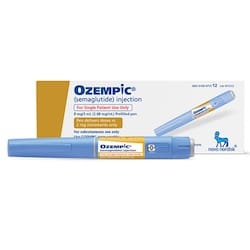
Think of your Ozempic pen as a precision instrument rather than a simple syringe. It uses a subcutaneous injection method, meaning the needle gently enters the fatty tissue just beneath your skin. Most patients find success by rotating sites between the abdomen, thighs, or upper arms to avoid localized skin irritation or lumps.
You don’t just dive into the deep end on day one. Doctors typically start you on a 0.25 mg dose for the first four weeks. This low dose acts like a “warm-up lap,” allowing your body to get used to the medication without feeling like you’ve swallowed a heavy stone.
Once your body acclimates, the journey moves into maintenance doses. This titration process is the secret sauce to avoiding a stomach that feels like it’s in a constant state of revolt. By slowly increasing the dosage, you minimize those pesky gastrointestinal side effects like nausea or bloating.
The schedule follows a strict weekly rhythm. You’ll administer one injection every seven days, at the same time each week, to keep levels steady. It is a marathon, not a sprint, so consistency is your best friend when trying to reach your long-term metabolic goals.
Managing Your Weekly Routine
Storage is where many people trip over their own feet. Your unused pens should live in the refrigerator, ideally between 36°F and 46°F. If you’re traveling, you’ll need a travel case to keep things chilled, as heat is the enemy of this delicate peptide.
Once a pen is in use, you can keep it at room temperature for up to 56 days. However, if you forget to take a dose, don’t panic. You can take it within seven days, but if that window closes, it’s time to pick up the pace and move on.
Common mistakes often involve the “click” of the pen. Some users rush the process, failing to hold the pen in place long enough to ensure the full dose is delivered. It’s like trying to pour a glass of water while walking; if you rush, you’ll miss the target.
Another pitfall is the “double-dip” error. If you accidentally take too much, do not attempt to “correct” it by skipping a dose without talking to your doctor. Always consult your healthcare provider if you find yourself feeling unusually dizzy or unwell after an injection.
| Dosage Phase | Typical Amount | Primary Goal |
| Initiation | 0.25 mg | Acclimatization |
| Maintenance | 0.5 mg to 2.0 mg | Glycemic Control |
- Never reuse a needle; it’s a one-and-done deal to prevent infection.
- Always check the liquid clarity; it should be clear and colorless.
- Keep the pen away from direct sunlight, as UV rays can degrade the medicine.
- Ensure you hear the distinct click when selecting your dose.
Current Market Pricing and Cost Factors in USD
Staring at a pharmacy receipt can feel like watching your savings evaporate into thin air. For many patients in the United States, the sticker price for a single month’s supply of Ozempic often hovers around $900 to $1,200. This isn’t just a small dent in the wallet; it is a significant financial hurdle for many families.
The reality is that price tags vary wildly depending on where you live and which pharmacy you frequent. Some people find themselves paying the full retail cost out-of-pocket because their insurance treats the medication more like a luxury than a necessity. It is a steep mountain to climb when you are just trying to manage your health.
Navigating the labyrinth of insurance coverage is where things truly get messy. Even with a premium plan, you might find yourself facing a “Prior Authorization” wall. This is essentially your insurer’s way of saying, “Prove to us that you really need this before we open the checkbook.”
Waiting for these approvals can feel like spinning your wheels in the mud. Doctors often have to submit mountains of paperwork to prove that other, cheaper medications haven’t worked. Without that green light from your provider, you might be left footing the entire bill yourself, which is a bitter pill to swallow.
The Battle of Brand-Name vs. Compounding
As demand has skyrocketed, a shadow market has emerged involving compounding pharmacies. These facilities create “similar” versions of the medication, often at a much lower price point. It is tempting to take the easy route when your budget is tight, but it isn’t a simple walk in the park.
While a compounding option might cost a fraction of the brand-name price, there are massive caveats. The FDA has issued warnings about the safety and purity of some compounded peptides. You are essentially gambling on the precision of the manufacturer’s recipe, which can feel like a high-stakes game of Russian roulette.
Brand-name Ozempic, on the other hand, offers the peace of mind that comes with rigorous clinical testing. You know exactly what is in that pen, and you know it will work as intended. For many, the extra cost is a premium paid for the certainty that they aren’t getting a “knock-off” version.
Deciding between the two is a tug-of-war between your bank account and your peace of mind. It is vital to have a serious conversation with your physician before ever considering a non-brand-name alternative. You don’t want to trade one health concern for a completely different set of risks.
Below is a snapshot of how different purchasing paths might impact your monthly budget.
| Option Type | Estimated Monthly Cost | Primary Consideration |
|---|---|---|
| Brand-Name (No Insurance) | $1,200 | Highest reliability and FDA approval |
| Brand-Name (With Insurance) | $25 – $250 | Highly dependent on plan and deductible |
| Compounded Alternative | $300 – $600 | Variable quality and regulatory scrutiny |
| Discount Card Price | $600 – $850 | Reduces retail cost without insurance |
Hidden Costs and Savings Strategies
The price on the label is rarely the final number you see at the register. There are “hidden” costs that tend to sneak up on you like a thief in the night. You have to account for the logistics of administration, which can add up if you aren’t prepared.
For instance, you will need a way to safely dispose of your used needles. Sharps disposal containers are not something you can just toss in the kitchen trash; they require specific, regulated bins. These supplies, along with extra alcohol swabs and lancets, can add a few extra dollars to your monthly tally.
However, you don’t have to accept the highest price as your destiny. Pharmacy discount cards can be a lifesaver when insurance is being difficult. These cards act as a digital coupon, often bringing the price down significantly at major retail chains without needing a middleman.
It is worth doing a little legwork and comparing prices across different pharmacies. A little bit of “window shopping” in the pharmaceutical world can save you hundreds of dollars. Think of it as a scavenger hunt where the prize is a much lighter monthly bill.
The Logistics of Ordering and Reliable Shipping
Navigating the digital marketplace for prescription medication can feel like walking through a minefield. With demand for Ozempic at an all-time high, the internet is crawling with websites that look incredibly professional but are nothing more than digital mirages. These scammers often use polished graphics to lure you into a false sense of security.
The most common trap is the “too good to be true” price tag. If a website offers a significant discount that seems way below market value, your internal alarm bells should be ringing loudly. It is often a bait-and-switch tactic designed to harvest your credit card information or ship you nothing at all.
Legitimate pharmacies will never demand payment via untraceable methods like wire transfers, gift cards, or cryptocurrency. If a seller insists on these methods, walk away immediately. They are effectively asking you to hand over your cash and then vanish into the thin air of the dark web.
Always check for the “VIPPS” seal or similar accreditation markers on the homepage. While the landscape is always shifting, looking for symbols from the National Association of Boards of Pharmacy is a solid starting point. It is the difference between a safe harbor and a sinking ship.
Verifying US-Based Licensed Pharmacies
Before you click that “checkout” button, you must play detective. A legitimate US-based pharmacy must be licensed in the state where you reside. You can easily verify this by visiting your state’s Board of Pharmacy website and searching for their license number in their database.
Don’t just take their word for it; verify it yourself. A real pharmacy will have a physical address that maps to a legitimate brick-and-mortar location, not just a P.O. Box in a random suburb. This physical presence is a hallmark of a business that is willing to stand by its products.
Another litmus test is the requirement for a valid prescription. If a site offers to ship Ozempic without a doctor’s order, it is a massive red flag. In the United States, selling prescription-only medications without a script is illegal, and such sites are operating outside the law.
A professional pharmacy will also provide clear contact information, including a working phone number and a professional email address. If you try to call them and get a generic voicemail or a disconnected line, you have likely stumbled into a scam. Trust your gut; if something feels “off,” it usually is.
The Crucial Role of Temperature-Controlled Shipping
Ozempic is a sensitive biological medication, meaning it is incredibly temperamental. It requires strict refrigeration to maintain its potency and effectiveness. If the medication sits on a hot porch for six hours, you might be paying hundreds of dollars for nothing more than expensive, useless water.
When ordering, ensure the pharmacy uses specialized insulated packaging and often cooling agents like gel packs. You want to see evidence that they understand the cold-chain requirements. It is not just about getting a box to your door; it is about getting a functional medicine to your door.
Once the package arrives, you must act quickly. You shouldn’t leave the box sitting outside your house while you are at work. Ideally, you want to get that medication into your refrigerator immediately. If the package feels warm to the touch upon arrival, contact the provider right away.
Some high-end services even include temperature indicators inside the box. These small stickers change color if the internal temperature has exceeded safe limits during transit. It is a small detail, but it provides a layer of protection that is worth every penny for your peace of mind.
Timelines, Tracking, and Delivery Expectations
When you are managing a chronic condition, waiting for your medication can feel like an eternity. Most reputable online pharmacies will provide a tracking number within 24 to 48 hours of processing your order. This allows you to keep a close eye on the package’s progress.
Standard delivery timelines usually range from three to seven business days, depending on whether you chose standard or expedited shipping. If a company promises “next-day delivery” for a prescription that requires special handling, proceed with extreme caution. Speed should never come at the expense of safety.
Expect to receive a confirmation email for every step: the order being received, the prescription being verified, and the package being shipped. If you experience a “blackout” period where communication stops after you have paid, you have moved into dangerous territory. Constant communication is the hallmark of a professional service.
Keep a log of your tracking numbers and delivery dates. If there is a delay, having this documentation is essential when filing a dispute with your bank or insurance provider. Being organized is your best defense against logistical headaches and delivery mishaps.
Red Flags to Watch Out For
To keep your wallet and your health safe, keep a watchful eye out for these common warning signs. If a website displays even one of these, it is best to steer clear and find a more reputable source.
- Lack of a physical address: Only providing a P.O. Box or a generic contact form is a major warning sign.
- Unsolicited offers: Receiving “miracle” weight loss offers via unsolicited text messages or emails is almost always a scam.
- Pressure tactics: Using high-pressure countdown timers like “Sale ends in 5 minutes!” is a classic tactic to stop you from thinking clearly.
- Non-standard payment: Any request for payment via gift cards or wire transfers is a guaranteed scam.
- No doctor consultation: If they don’t require a prescription or a consultation with a licensed provider, they are breaking the law.
Comparing Ozempic to Semaglutide and Mounjaro
Think of these medications as specialized tools in a very complex toolkit. While many people use the names interchangeably, they are not identical twins. Understanding the subtle chemistry behind them is like knowing the difference between a high-performance sedan and a heavy-duty truck; both get you there, but they drive differently.
Ozempic is a brand name for semaglutide, a single-hormone agonist. It mimics the GLP-1 hormone to tell your brain you are full. It is essentially a master of one craft, focusing intensely on regulating blood sugar and slowing gastric emptying to curb those nagging, late-night snack cravings.
Mounjaro, however, is a bit of a shapeshifter. Instead of just targeting GLP-1, it uses tirzepatide to hit two different receptors: GLP-1 and GIP. This dual-action approach is like having a coach and a nutritionist working together simultaneously. It targets metabolic pathways from multiple angles, which is a significant chemical distinction.
When we peel back the layers, semaglutide is a single-target missile, while tirzepatide is a multi-target strike. This difference in chemical structure is why some patients feel a much more profound shift in their appetite when switching from one to the other. It is all about the biological “keys” being used.
Efficacy and Clinical Outcomes
In the high-stakes arena of clinical trials, the numbers tell a compelling story. When researchers put these drugs to the test, the results often showed that the dual-action approach of tirzepatide led to more significant weight reduction. It is as if the body’s metabolic brakes were pressed much harder by the second option.
Patients on semaglutide typically see impressive results, often losing a significant percentage of their body weight over several months. It is a marathon, not a sprint. However, clinical data suggests that those on tirzepatide often reach deeper levels of weight loss in a similar timeframe, making it a heavy hitter in the weight loss space.
It is not a one-size-fits-all race, though. Some people find that semaglutide is their “magic bullet,” seeing massive improvements in A1C levels without the extra intensity of a dual agonist. The clinical setting proves that while one might be more powerful, the other is incredibly effective for many.
The “best” outcome is highly subjective and depends on your unique biology. A study might show a higher average for one drug, but your personal experience might be the outlier. You have to consider how your body responds to the initial dose before deciding if you need more firepower.
Side Effects and Tolerance
Every time you introduce a powerful new player into your body’s chemistry, there is a cost to pay. Side effects are the “tax” many pay for metabolic control. Common culprits include nausea, indigestion, and that uncomfortable feeling of being overly full after only a few bites of food.
Because tirzepatide is more aggressive, some users report that the gastrointestinal “bumps in the road” are slightly more pronounced. If you are sensitive to stomach upset, the transition to a dual-agonist might feel like riding a rollercoaster. It often requires a slow, steady titration to build up your tolerance.
Semaglutide tends to be a bit more predictable for many. While it certainly causes nausea, the intensity can feel more manageable for some users during the dose-escalation phase. It is all about finding that “Goldilocks” zone where the medication works effectively without making you feel constantly unwell.
Always listen to your body’s whispers before they become screams. If you experience severe abdominal pain or persistent vomiting, that is a red flag that goes beyond simple nausea. Managing these side effects often requires a delicate dance of timing your doses and adjusting your dietary intake accordingly.
The Cost of Metabolic Health
Money is often the elephant in the room when discussing these medications. The price tag can be staggering, and the “sticker shock” is very real. Depending on your insurance coverage, you might find yourself paying significantly different amounts for each brand name.
Typically, Ozempic can range from $800 to $1,200 per month without insurance. Mounjaro often sits in a similar, if not slightly higher, price bracket. For many, the cost-benefit analysis becomes a question of whether the lifestyle changes and health improvements justify the monthly expense on their budget.
It is worth noting that some patients find success with compounded versions, which can be much cheaper. However, these are not the same as the brand-name versions you get from a pharmacy. You must weigh the savings against the potential risks of quality and purity in those alternative options.
Ultimately, the “best value” isn’t just the lowest price. It is the medication that keeps you on track long-term. If a cheaper medication causes side effects that make you quit after two months, it was actually the most expensive option you could have chosen in the long run.
Matching Medication to Your Goals
Deciding which path to take requires a deep dive into your specific medical needs. Are you primarily focused on managing Type 2 diabetes and stabilizing blood sugar? Or is your main objective significant weight loss to combat obesity-related complications? Your answer changes the equation entirely.
If your primary goal is metabolic stability and glycemic control, Ozempic has a long, proven track record. It is a reliable workhorse for many people. It targets the glucose spikes that can cause long-term damage, providing a steady hand in managing your blood sugar levels throughout the day.
For those whose primary focus is significant weight reduction, Mounjaro might be the more potent tool in the shed. The dual-action mechanism is specifically designed to push the boundaries of weight loss. It is the “heavy lifter” for those who have struggled with traditional diets and need more help.
Before making any decisions, sit down with your doctor and map out your long-term vision. Do you want a gradual approach, or do you need a more intensive intervention? Your metabolic goals are the compass that should guide your choice between these two powerful pharmaceutical tools.
| Feature | Ozempic (Semaglutide) | Mounjaro (Tirzepatide) |
| Mechanism | GLP-1 Agonist | GLP-1 & GIP Agonist |
| Primary Use | Type 2 Diabetes / Weight | Type 2 Diabetes / Weight |
| Potency | High | Very High |
Practical Usage Scenarios and Patient Profiles
Glycemic Control and Diabetes Management
For many, the journey begins with a diagnosis of Type 2 diabetes. It is often a wake-up call that demands immediate attention. Ozempic steps in as a steady hand, helping to regulate glucose levels by stimulating insulin secretion when your body needs it most. It effectively smooths out those jagged spikes after meals.
Patients often describe a sense of relief when their A1C levels finally start to stabilize. It is not just about the numbers on a lab report; it is about reclaiming a sense of control over your biology. The medication works behind the scenes to ensure your blood sugar doesn’t skyrocket unexpectedly.
However, managing diabetes is not a “set it and forget it” endeavor. While the medication handles much of the heavy lifting, you must still play your part. Monitoring your levels regularly remains crucial to ensure that your treatment plan is hitting the mark and keeping you in a safe zone.
If you find yourself constantly battling the highs and lows, this medication might be the missing piece of your metabolic puzzle. It acts as a safety net, catching those glucose surges before they can do lasting damage to your system. It is a vital tool for long-term health maintenance.
Weight Management and Appetite Regulation
Beyond blood sugar, many patients find themselves using Ozempic to tackle obesity. It is like having a quiet voice in the back of your mind that gently whispers, “You are actually full.” This sensation is a game-changer for those who have struggled with constant, intrusive food cravings.
The mechanism behind this is quite fascinating. By slowing down gastric emptying, the medication ensures that food stays in your stomach longer. This physiological shift helps bridge the gap between “wanting to eat” and “needing to eat,” making the process of caloric restriction feel much less like a battle.
I once spoke to a patient who described it as “turning down the volume” on food noise. For years, food had been the loudest thing in her head. Suddenly, she could focus on work or family without her brain constantly scanning for the next snack. That mental clarity is often underestimated.
It is important to remember that weight loss is a secondary clinical application for Ozempic, even if it is the primary driver for many. While the results can be profound, the focus should always remain on nourishing your body with high-quality nutrients during this transformative phase.
Navigating the First Month of Transition
The first few weeks can feel like walking through a bit of a fog. Many patients report experiencing some digestive turbulence as the body adjusts to the new hormonal signals. Nausea is the most common complaint, often feeling like a mild case of motion sickness that lingers.
To navigate these choppy waters, many doctors suggest starting with small, frequent meals. Think of it as teaching your stomach a new rhythm. Avoid greasy or highly processed foods that might exacerbate that “too full” feeling, as these can turn a minor discomfort into a significant headache.
Hydration is your best friend during this period. Sometimes, the brain confuses thirst with hunger, or nausea with dehydration. Keeping a water bottle close by and perhaps sipping on electrolytes can make the transition much smoother. It is all about being gentle with your system.
If you find the side effects are hitting you hard, do not panic. For most, these symptoms are transient and fade as the body finds its new equilibrium. If things feel truly unbearable, reach out to your healthcare provider; they can help you adjust your titration schedule accordingly.
Sustainability and Long-Term Lifestyle Integration
A common question is: “What happens when I stop?” Using Ozempic is often a marathon, not a sprint. For long-term success, the medication should ideally be seen as a scaffold for a new way of living, rather than a magic wand that works in isolation.
Integrating these changes into your daily routine is the real challenge. It requires a shift in mindset regarding how you view food, movement, and rest. The medication provides the window of opportunity, but you are the one who has to walk through the door and stay on the path.
Consider building a support system, whether that is a nutritionist, a fitness community, or just a very supportive spouse. Having external accountability can be the glue that holds your new lifestyle together when motivation inevitably dips. It is about building habits that outlast any single prescription.
Ultimately, the goal is a sustainable, healthy life. Whether you are using it for diabetes or weight management, the ultimate metric of success is how you feel in your skin and how your body functions on a daily basis. Aim for balance, not perfection.
Sourcing Strategies for Consistent Supply
Securing a steady supply of Ozempic often feels like trying to catch lightning in a bottle. Because demand has skyrocketed, the traditional “walk into the pharmacy” approach is no longer a guarantee. You might find yourself staring at an empty shelf or a “no stock” sign, which can be incredibly frustrating for your treatment plan.
To avoid the dreaded gap in your medication, you must become a proactive manager of your refills. Waiting until your last pen is empty to call the pharmacist is a recipe for disaster. Instead, try setting a digital reminder for your refill date, ideally three to five days before your current supply runs out.
Think of your prescription like a recurring subscription that requires constant oversight. If you are nearing the end of your supply and your local pharmacy is reporting shortages, don’t just sit there. Call around to independent pharmacies or even hospital-based outpatient pharmacies. They sometimes have different inventory streams than the giant retail chains.
Consistency is the cornerstone of metabolic health. When you miss doses due to supply issues, your blood sugar levels can fluctuate wildly. This “yo-yo” effect can undo some of the hard work your body has done to stabilize. Being ahead of the curve is your best defense against these unpredictable inventory hiccups.
Leveraging Telehealth and Modern Providers
The rise of telehealth has completely changed the landscape for patients seeking specialized care. If your primary care physician is stretched thin or unable to secure refills due to local shortages, digital providers can act as a vital lifeline. These platforms often have streamlined processes for managing long-term prescriptions.
Telehealth doctors are often more accustomed to the current market volatility. They can quickly pivot your treatment plan or help you find alternative pharmacies that specialize in weight management or metabolic health. It is like having a navigator when the road ahead gets unexpectedly foggy and uncertain.
However, using these services requires a bit of digital savvy. You must ensure the provider is legitimate and that the pharmacy they use is reputable. Avoid “too good to be true” websites that ship medications from overseas without a valid prescription. Always stick to verified, licensed channels to ensure your safety.
Many patients find that maintaining a relationship with a telehealth provider allows for better data tracking. Since they often operate in a more tech-forward environment, they can easily monitor your progress and adjust your dosage via a quick video call. It brings a level of convenience that traditional clinics sometimes struggle to match.
Navigating Shortages and Inventory Realities
Pharmacy inventory is a complex web that can shift overnight. A shortage might be caused by a manufacturing delay, a sudden surge in demand, or even a logistics hiccup in the supply chain. Understanding that these issues are often systemic can help you manage your expectations and reduce stress.
When you encounter a shortage, don’t take it personally. It is not a reflection of your importance as a patient; it is simply a reality of the current market. At this point, the best strategy is to ask your pharmacist specifically when they expect their next shipment. Knowing the “when” helps you plan your next move.
Sometimes, a different dosage strength might be available even if your specific pen is out of stock. For instance, if the 0.25mg dose is missing, the 0.5mg might be sitting on a shelf. While you should never change your dose without medical advice, your doctor can guide you on how to handle these gaps.
If you are dealing with a chronic condition like Type 2 diabetes, the stakes are higher. In these cases, pharmacies may prioritize patients with immediate medical necessity. Being transparent about your clinical needs can sometimes help, but ultimately, the goal is to find a pharmacy that can reliably fulfill your specific prescription.
Cost-Saving Strategies for Self-Pay Patients
For those paying out-of-pocket, the sticker shock can be quite significant. Ozempic is not a cheap medication, and without insurance coverage, the monthly cost can become a heavy burden. It is essential to shop around and look for ways to mitigate these expenses through various channels.
One effective way to save is by checking the cash price at different retailers. Sometimes, a local pharmacy might offer a better rate than a massive national chain. You can also ask about manufacturer coupons or patient assistance programs. These can sometimes lower the price significantly, depending on your income level.
Below is a general comparison of how different payment methods might impact your monthly expenses:
| Payment Method | Estimated Monthly Cost | Pros/Cons |
| Insurance Co-pay | $25 – $50 | Lowest cost, but depends on coverage. |
| Manufacturer Coupon | $250 – $450 | Significant savings for eligible patients. |
| Self-Pay (Retail) | $900 – $1,200 | No insurance needed, but very expensive. |
Additionally, consider looking into compounding pharmacies, but with extreme caution. While they can offer lower costs, the quality and safety of compounded versions can vary wildly. Always consult your doctor before switching to a compounded alternative, as the stability and purity of the medication are paramount for your safety.
Effective Communication with Your Doctor
Communication is the bridge that connects your needs to your provider’s ability to help. Instead of going into an appointment with vague complaints, be specific. Tell your doctor, “I am having trouble finding my current dosage at my usual pharmacy.” This gives them actionable information to work with.
Ask your doctor for a “backup plan” during your regular check-ups. Ask them, “If the pharmacy runs out of my prescribed dose, what is the protocol for a temporary substitution?” Having this conversation when you are stable is much better than having it when you are already facing a supply crisis.
Don’t be afraid to advocate for yourself. If you have spent hours calling pharmacies, tell your doctor. They may have connections with other clinics or can write a prescription that is more easily filled by different types of pharmacies. Your doctor is your partner in this journey, not just a prescriber.
Lastly, keep a simple log of your refills and any issues you encounter. If you notice a pattern of shortages with a specific brand or dosage, your doctor needs to know. This data can help them tailor your long-term treatment strategy to avoid these roadblocks in the future.
Pingback: Buy Super Kamagra Online for the Best Price and Fast Delivery – blissspray.pk
Pingback: Buy Levitra Generic Online at the Best Prices – blissspray.pk